Why Gas Turbine Maintenance Matters for Uninterrupted Plant Operations
Industrial plants depend on steady power, planned output, and equipment that can keep up with demanding production schedules. When a critical turbine stops suddenly, the impact can move quickly across teams, costs, and delivery timelines. Delays may affect production planning, safety checks, and customer commitments.
This is where gas turbine maintenance becomes an important part of plant reliability. It gives plant teams a structured way to manage turbine health before sudden problems interrupt daily operations. For facilities that run continuously, turbine care needs planning, skilled inspection, and timely action.
Let’s learn why maintenance matters for stable plant performance and long-term equipment readiness.
3 Ways Gas Turbine Maintenance Strengthens Plant Reliability
The following ways show how planned turbine care can help reduce operational risk, support steady output, and keep critical systems ready for continuous demand.
- Early Wear Detection Reduces Sudden Failures
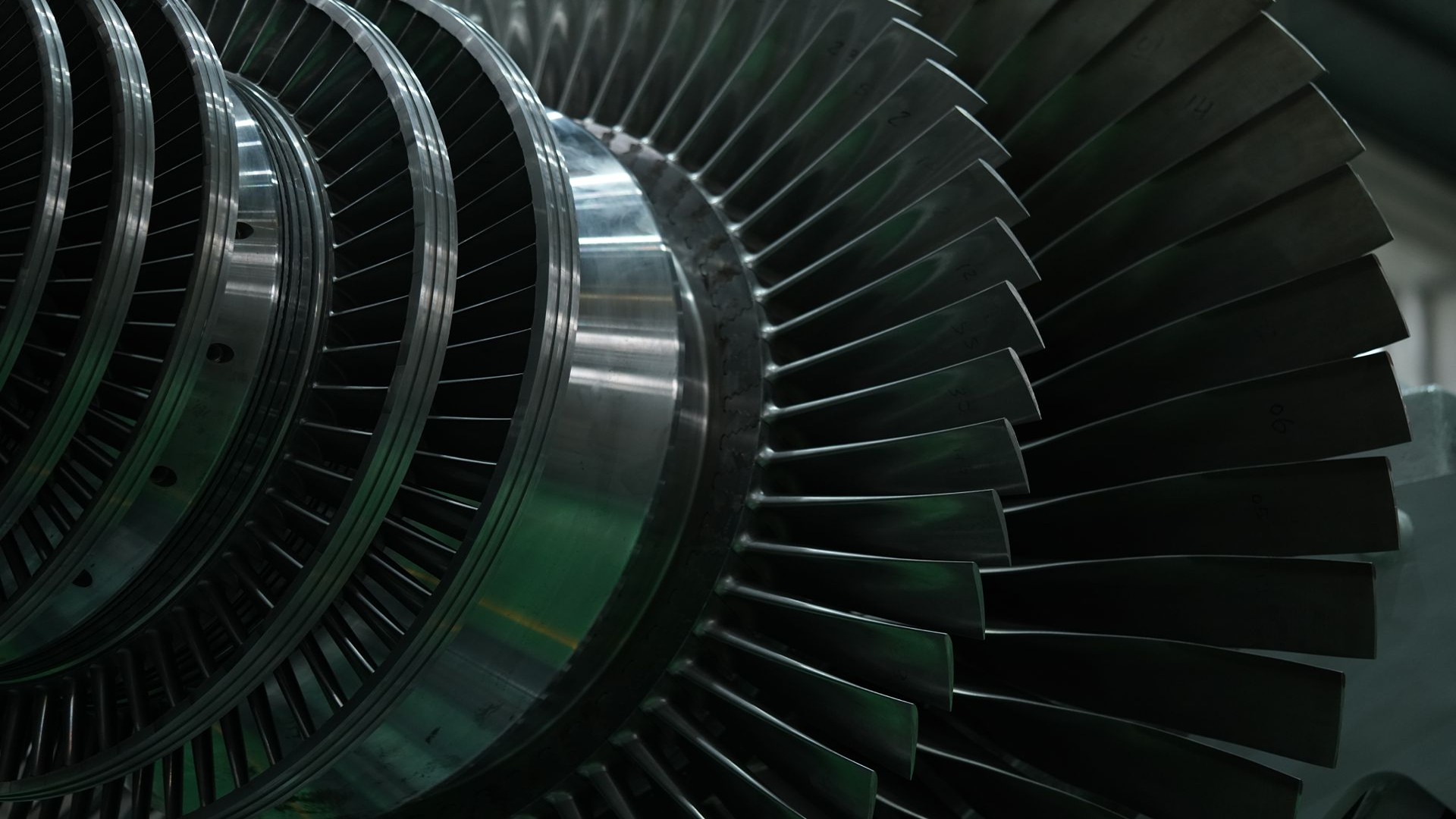
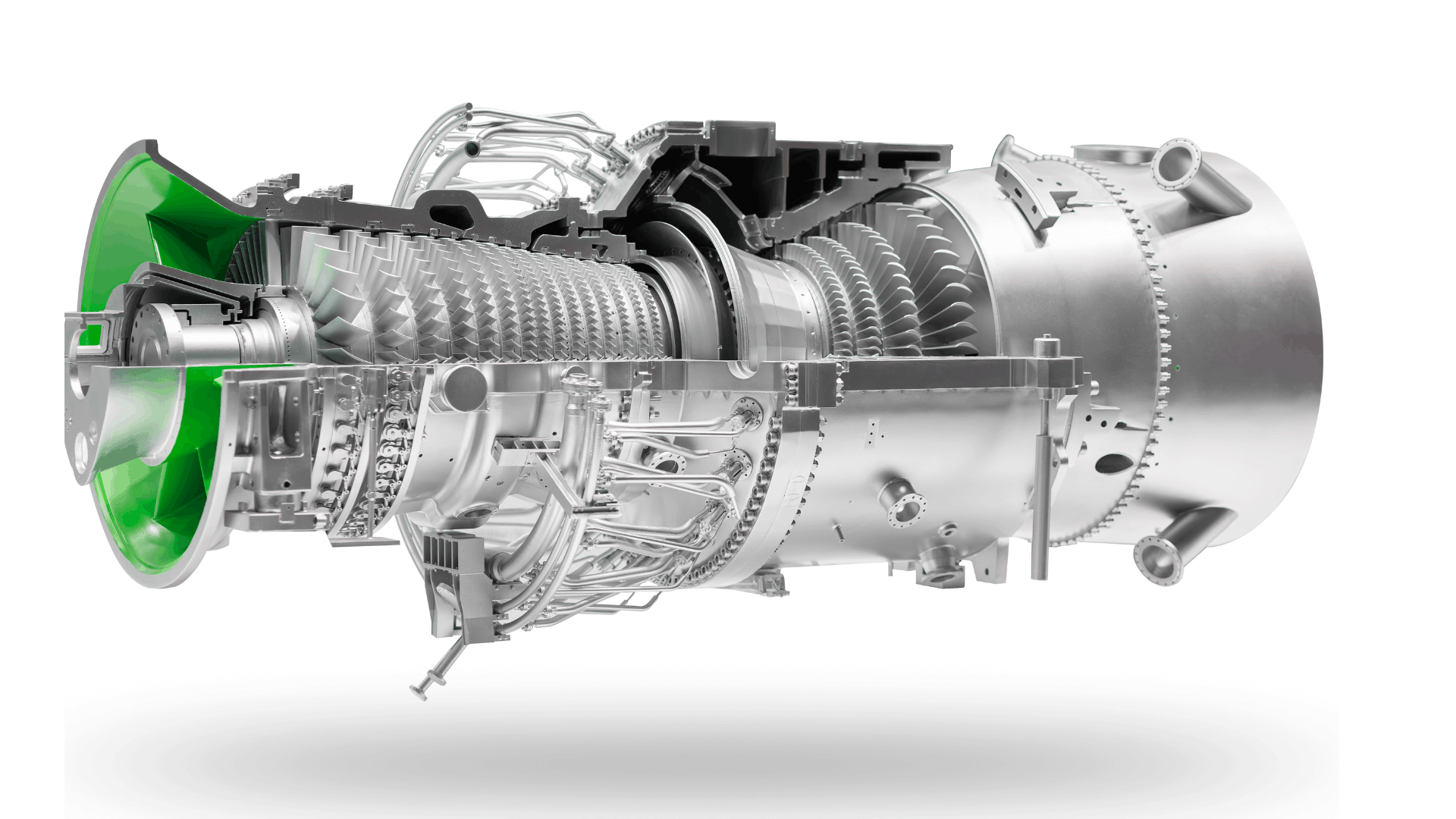
Gas turbines work under high heat, pressure, speed, and load. Over time, parts such as blades, bearings, seals, filters, and combustion components can wear down.
A planned gas turbine maintenance procedure helps technicians inspect these parts through vibration checks, oil analysis, borescope inspection, filter review, and temperature monitoring. These checks make it easier to spot early signs such as unusual vibration, rising exhaust temperature, pressure changes, or abnormal noise.
When issues are found early, repairs can be planned during scheduled shutdowns. This helps teams arrange spare parts, service support, and downtime windows with better control.
- Better Efficiency Supports Stable Power Output
A turbine may keep running even when efficiency begins to fall. Dirty filters, poor combustion, sensor errors, worn compressor parts, or fuel issues can reduce performance and increase fuel use.
Gas turbine maintenance helps keep airflow, fuel delivery, combustion, lubrication, and cooling systems within the required range. This allows the turbine to operate closer to its intended capacity.
Regular servicing also gives teams useful performance data, including trends in temperature, vibration, load response, emissions, and fuel use. This helps operators make timely decisions before performance drops further.
- Stronger Safety Checks Improve Long-term Reliability
Gas turbines operate in demanding environments where heat, pressure, fuel systems, and electrical controls need close monitoring. A missed warning sign can affect equipment safety and plant output.
Gas turbine power plant maintenance helps keep alarms, shutdown systems, sensors, control panels, and records in proper check. These records also help teams review equipment history and plan future servicing.
Gas turbine maintenance can also support longer equipment life. Regular inspection of lubrication systems, cooling passages, seals, and hot-section parts helps reduce avoidable damage and makes planning repairs easier. It also gives plant teams better control over service schedules, helping them prepare for future repairs with less operational pressure.
Build a Stronger Maintenance Plan
Uninterrupted plant operations depend on preparation, discipline, and timely action. Gas turbines are valuable assets, but they need consistent care to support continuous demand. Without planned inspections, small issues can turn into larger failures that affect safety, efficiency, and production schedules.
Gas turbine maintenance helps plant teams stay alert to equipment condition and plan service activities with better control. It also supports cost planning because repairs can be managed before they become urgent.
For any facility that depends on steady power, maintenance should be part of regular operational planning. Start with clear inspection schedules, trained teams, reliable records, and a practical response plan.
Thus, this approach can help keep plant operations stable and ready for future demand.