What is the Design Principle Behind Multi-stage Turbines?
Turbines are critical machines in power generation, industrial processes, and mechanical drive systems. They convert the thermal energy of steam into mechanical energy, which can then be used to generate electricity or drive heavy equipment. The design of a turbine greatly affects its efficiency, reliability, and lifespan.
Understanding the principles behind turbine construction is essential for engineers and operators who want to optimize performance and reduce operational risks. In particular, multi-stage turbines are widely used in high-power applications due to their ability to efficiently manage steam expansion across multiple stages and extract energy more effectively.
Let’s understand how multi-stage turbines are designed and how they operate to maximize energy efficiency.
Understanding the Design Principle
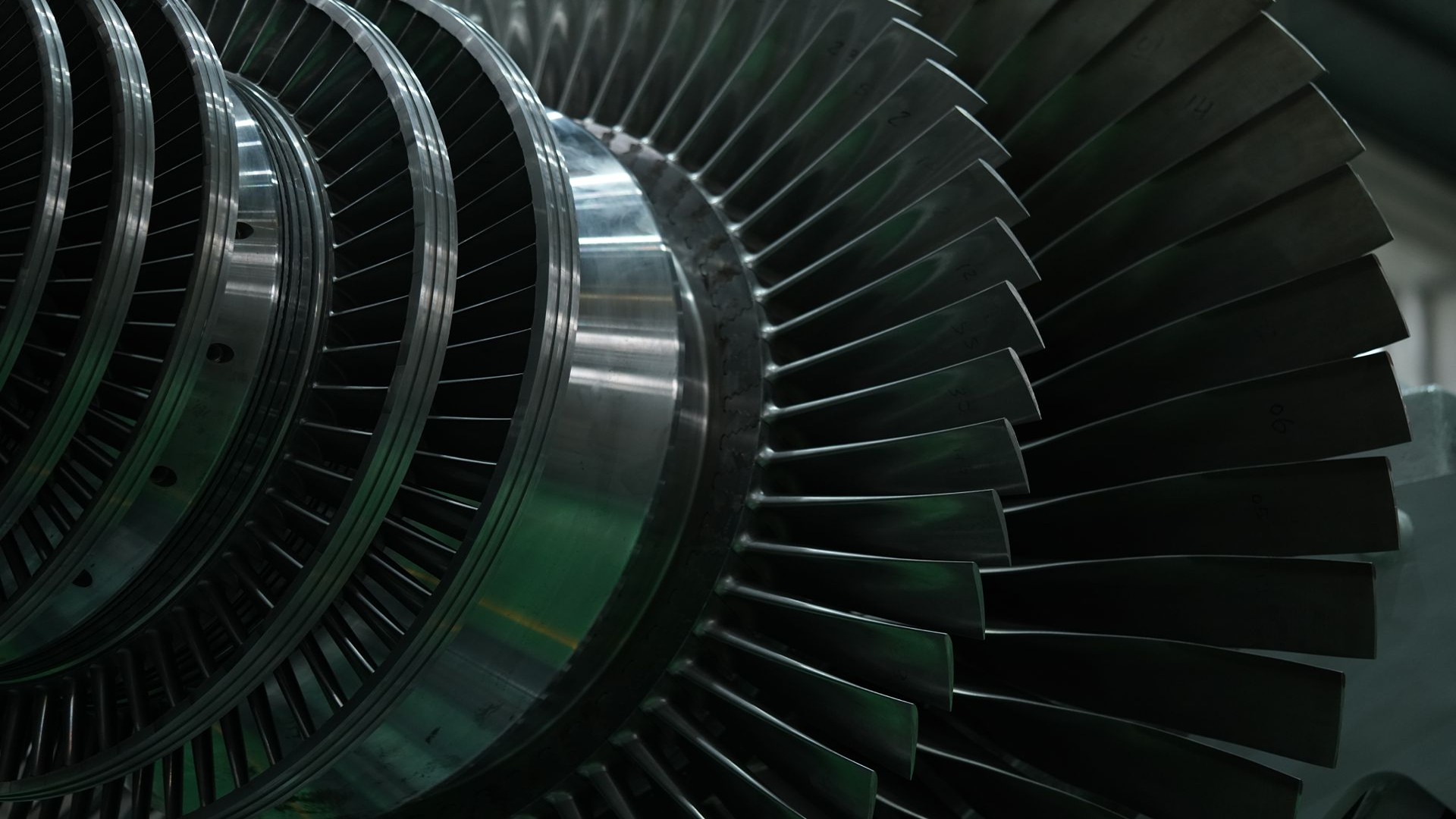
The basic principle behind multi-stage turbines is the gradual expansion of high-pressure steam through a series of stages, each containing a set of blades and nozzles. Instead of extracting all the energy from the steam in a single step, which can be inefficient and put mechanical stress on the turbine, the steam passes through multiple stages.
At Triveni Turbines, long-term reliability is achieved by integrating precision manufacturing, carefully selected materials, and lifecycle-focused design practices into every multi-stage turbine. Each stage is carefully engineered to convert a portion of thermal and pressure energy into rotational motion, allowing for smoother energy transfer and higher overall efficiency.
This staged approach is particularly important in multi-stage steam turbine designs, where high-pressure steam is first expanded in the initial stages and then continues through intermediate and low-pressure stages.
Splitting the energy extraction across multiple steps, these turbines minimize mechanical stress on the rotor and blades while achieving superior energy utilization.
4 Key Features of Multi-stage Turbines
To understand why multi-stage turbines are highly efficient and reliable, it is important to highlight their key design features:
- Staged Energy Conversion: Multi-stage turbines extract energy gradually, helping maintain balanced rotational forces and preventing excessive wear on individual components.
- Efficiency Optimization: By designing each stage for specific steam pressure and velocity ranges, multi-stage turbines maximize thermal efficiency and reduce energy losses.
- Mechanical Stability: The rotor, blades, and casing are engineered to handle thermal expansion, vibration, and high rotational speeds, ensuring long-term durability.
- Adaptability: Multi-stage steam turbines can handle a wide range of load conditions, making them suitable for power plants, industrial setups, and large mechanical drives.
Components and Functionality

A multi-stage steam turbine typically consists of a rotor, moving and stationary blades, nozzles, bearings, and a casing. The rotor carries the moving blades, which interact with high-velocity steam from the nozzles. Stationary blades guide the steam flow between stages to optimize impact on the rotor.
Bearings support smooth rotation, while the casing ensures safety and prevents steam leakage. Together, these components ensure efficient energy extraction at each stage, providing a stable power output and minimal operational stress.
Advantages of Multi-stage Turbines
The multi-stage design principle offers several advantages over single-stage turbines. These include improved efficiency, higher reliability under varying load conditions, and reduced mechanical wear.
Multi-stage turbines are particularly effective in large-scale power plants, where handling high-pressure steam in multiple stages enables safer, more predictable operation. Additionally, multi-stage turbines allow better integration with auxiliary systems, such as governors and control valves, to maintain speed and load regulation.
Maximizing Efficiency with Multi-stage Turbines
The design principle behind multi-stage turbines revolves around staged energy extraction, efficiency, and mechanical stability. By spreading steam expansion across multiple stages, these turbines reduce stress on components and maximize energy conversion.
Multi-stage steam turbines are widely used in power generation and industrial applications because they combine high efficiency with durability. At Triveni Turbines, we apply this staged design principle to ensure each turbine delivers optimal performance, reliability, and energy efficiency.
Engineers and operators who understand this principle can make informed decisions about performance, maintenance, and optimization. With the right design and operational practices, multi-stage turbines continue to provide reliable and efficient energy solutions for modern industrial systems.