What are the Key Components of a High-Pressure Turbine?
High-pressure turbines play a crucial role in producing electricity and powering industrial machinery by converting the energy of high-pressure steam into mechanical motion. Their performance affects not only efficiency but also reliability and long-term operational safety. In particular, high-pressure turbine systems are engineered to manage extreme temperatures and pressures while delivering smooth, consistent energy transfer.
Understanding the design and operation of these turbines is essential for engineers and operators to optimize energy extraction, reduce component wear, and plan effective maintenance. Knowledge of these systems also supports informed equipment selection and operational decision-making.
Let’s learn about the key components and how they work in a high-pressure steam turbine.
6 Key Components of a High-pressure Turbine
The operation of a high-pressure steam turbine relies on several critical components that work together to convert steam energy into mechanical motion efficiently. At Triveni Turbines, we ensure each component is designed and tested to deliver optimal performance, reliability, and energy efficiency.
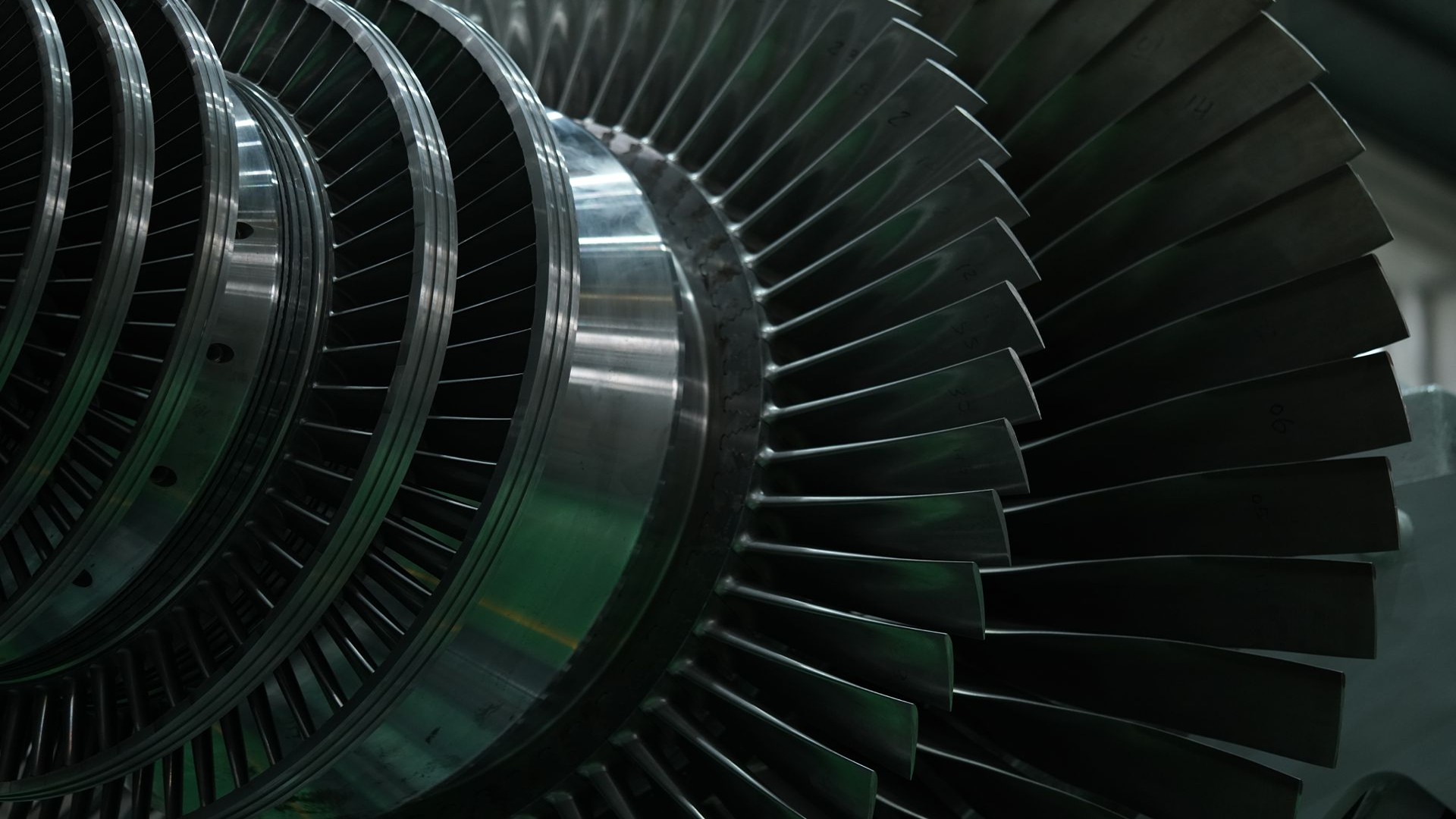
- Rotor: The rotor is the central shaft of the turbine, carrying the moving blades and transmitting rotational energy to the generator. Precision balancing minimizes vibration, ensuring smooth operation. The rotor converts the energy absorbed by the blades into mechanical power, serving as the turbine’s primary driving element.
- Blades: Blades extract energy from high-pressure steam, with fixed blades guiding the steam and moving blades rotating the rotor. Advanced blade profiles reduce losses from turbulence and friction while maximizing energy transfer, directly converting thermal and kinetic energy into rotational force.
- Nozzles: Nozzles accelerate and direct high-pressure steam onto the blades, converting pressure energy into kinetic energy while ensuring optimal impact on the rotor. Proper nozzle design improves efficiency and reduces erosion from high-velocity steam.
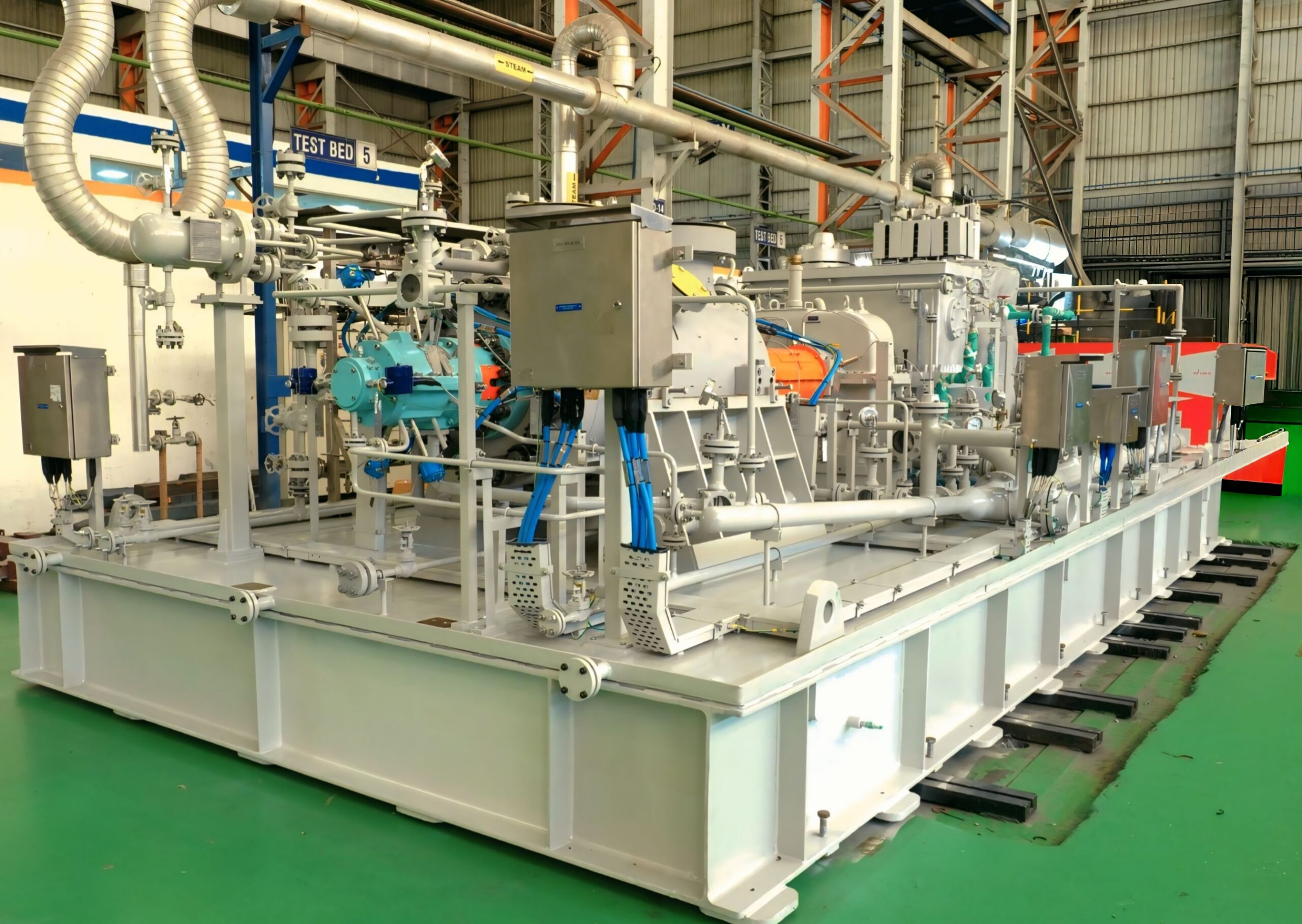
- Casing: The casing encloses all internal components and maintains structural integrity under high-pressure conditions. It prevents steam leakage, supports the rotor and blades, and ensures safe and controlled operation.
- Bearings: Bearings support the rotor and allow smooth rotation with minimal friction. They handle radial and axial loads, maintain shaft alignment, and reduce mechanical wear during continuous operation.
- Governor and Control Valves: These components regulate the flow of steam entering the turbine in response to load demand. They maintain turbine speed, stabilize operation, and protect the system from overspeed, ensuring safe and efficient performance.
Function and Advantages of High-pressure Steam Turbines
A high-pressure steam turbine transforms the energy of high-pressure, high-temperature steam into mechanical power, which can then drive generators or heavy industrial machinery. Steam flows through multiple carefully designed stages and blades, gradually expanding to rotate the rotor efficiently. This staged design not only ensures smooth energy conversion but also reduces mechanical stress and extends component life.
The benefits of a high-pressure steam turbine are numerous. Its ability to operate under extreme pressures and temperatures enables high efficiency and reliable performance in both power plants and industrial settings.
The sturdy construction minimizes maintenance needs while maintaining steady energy output, even under variable loads. Optimized blade and nozzle configurations enhance energy extraction, lower thermal losses, and improve operational safety. Understanding these functions and advantages helps engineers and operators maximize performance, plan maintenance effectively, and make informed decisions about turbine operation and system optimization.
Take Control of High-pressure Turbine Performance
A strong understanding of the key components in a high-pressure turbine is crucial for achieving efficiency, reliability, and long-term performance. At Triveni Turbines, we carefully design and optimize each rotor, blade, nozzle, and control system to deliver maximum energy output and durability.
With this knowledge, engineers and operators can make informed decisions on performance, maintenance, and system upgrades. Proper operation and care of high-pressure steam turbines minimize wear, improve efficiency, and ensure safe, stable operation.
By applying proven design principles and operational best practices, high-pressure turbines continue to provide consistent power, energy savings, and dependable performance in modern industrial and power-generation applications.