Turbine Machine Explained: Types, Uses, and Key Benefits
Turbine machines are widely used across industries for their ability to convert energy into useful mechanical power. At Triveni Turbines, these machines form the backbone of many systems that support electricity generation, transportation, and industrial operations.
Over time, turbines have evolved in design and efficiency, adapting to changing energy needs and technological advancements. While their applications may differ, the underlying principle of turbine operation remains consistent. A turbine machine uses the movement of a fluid to create rotational energy that can be applied in various ways.
Let’s understand how turbine machines are classified, where they are used, and the advantages they offer in modern engineering and power systems.
Types of Turbine Machines
Based on their application and energy source, a turbine machine used in power generation can be broadly categorized into the following three types:
- Steam Turbines
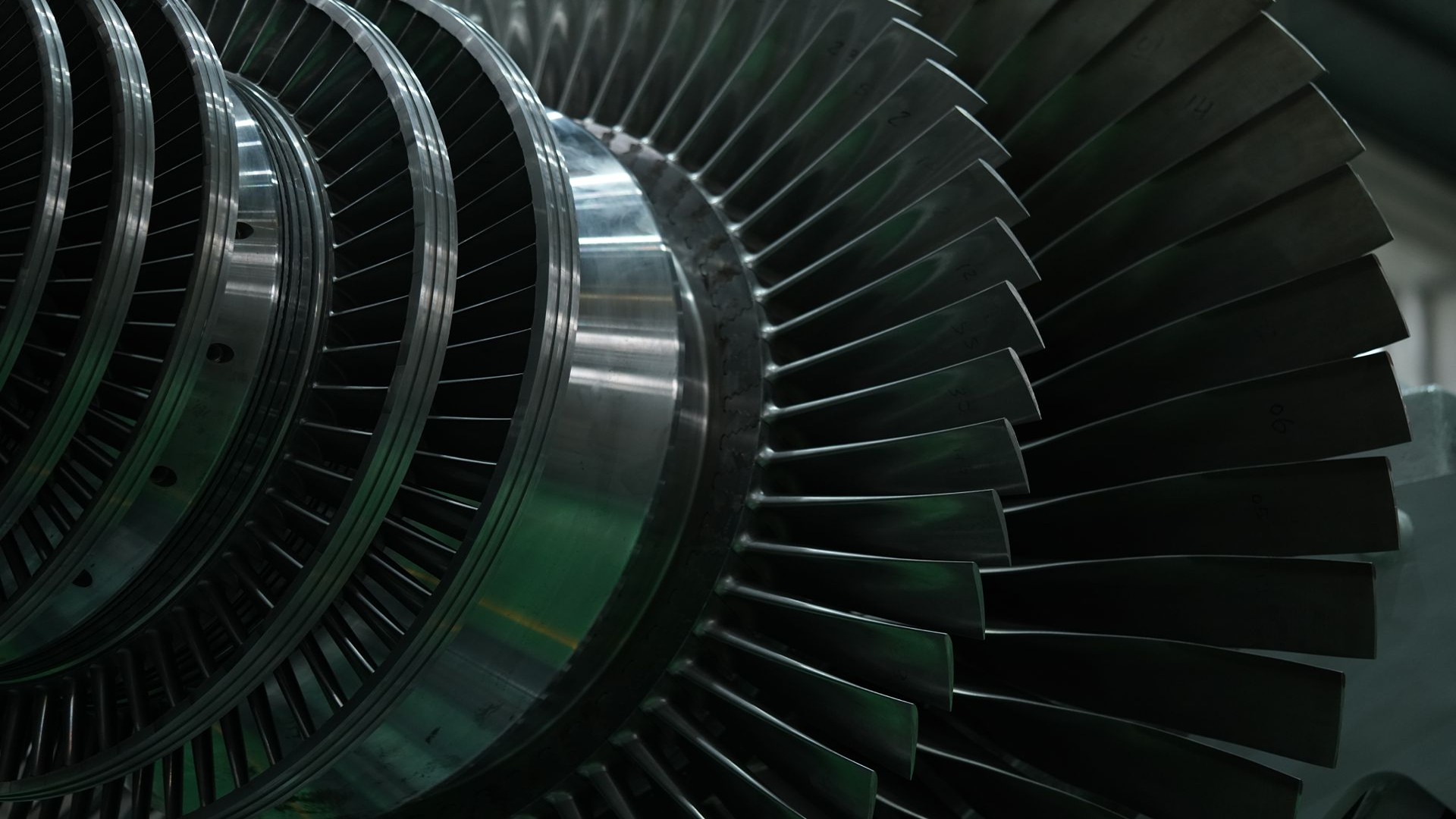
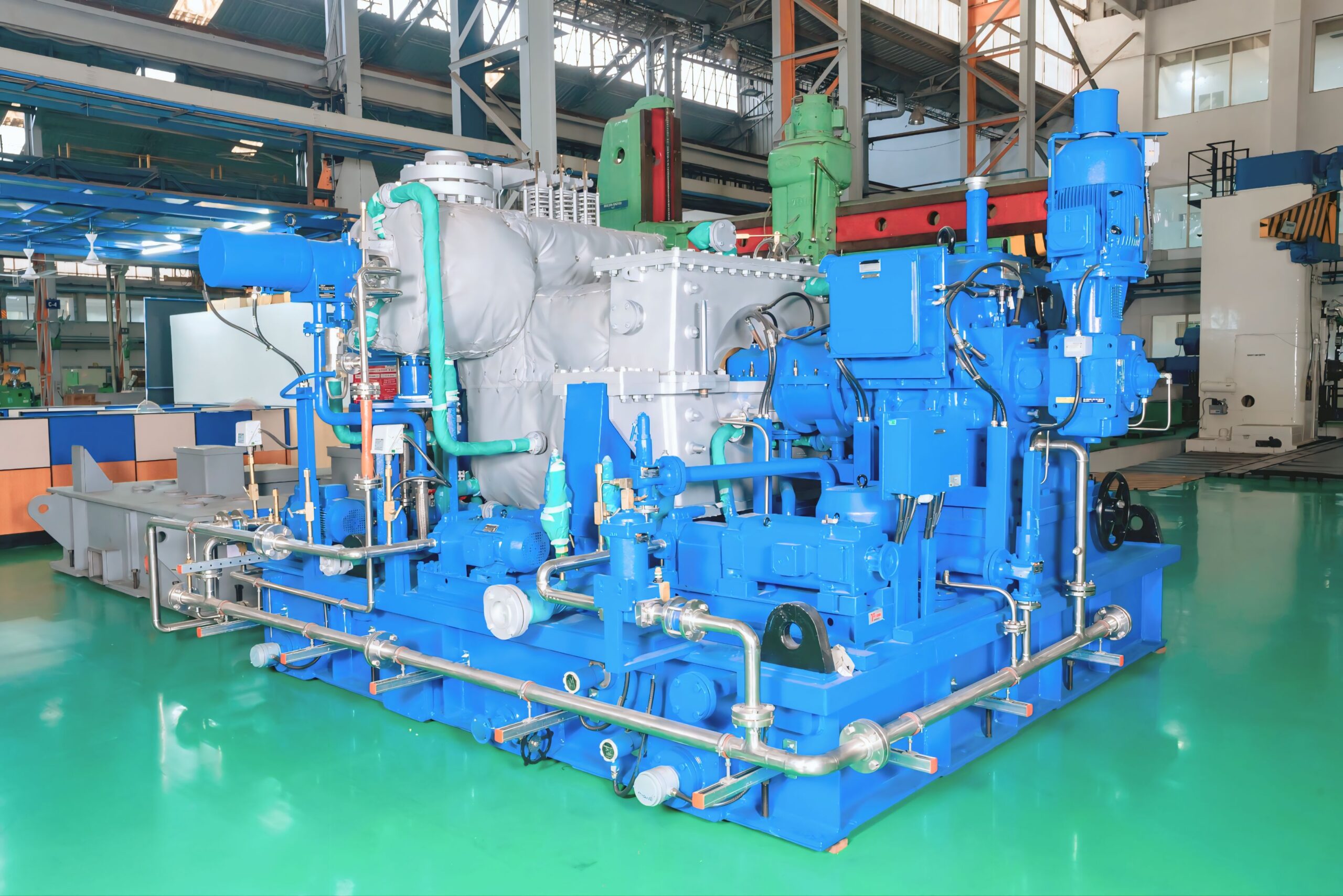
Steam turbines are vital for power generation, converting high-pressure steam into mechanical energy to drive generators. Valued for their efficiency, reliability, and continuous operation, turbine machines are widely used in industrial, captive, and geothermal power plants.
At Triveni Turbines, steam turbines are offered as a practical and efficient solution for energy-intensive applications, ensuring optimal performance and long-term reliability.
- Biomass and Waste-to-Energy Turbines
Biomass and waste-to-energy turbines generate electricity by burning organic or industrial waste. The energy released from burning waste produces steam that powers the turbine and generator.
They are commonly used in industrial captive power plants to convert byproducts into energy and in Independent Power Plants (IPPs) to supply renewable electricity to the grid.
- Geothermal Steam Turbines
Geothermal steam turbines convert steam from natural geothermal reservoirs into mechanical energy. Engineered to handle high moisture, mineral content, and fluctuating temperatures, they ensure efficient and reliable operation.
These turbines are primarily used in geothermal power plants, delivering stable, low-carbon electricity and supporting utility-scale renewable energy initiatives.
5 Uses of Turbine Machines
Turbines are widely used across industries for their ability to deliver reliable, efficient power in both electricity generation and industrial applications. Here are 5 uses of turbines:
- Power Generation
Turbine machines are widely used to convert energy from steam, gas, or water into mechanical power, which drives a power turbine generator to produce electricity for grids and industrial plants.
- Industrial Machinery
Many industries rely on turbine machines to operate pumps, compressors, and other heavy equipment efficiently. These systems ensure smooth and continuous mechanical operation in demanding industrial environments.
- Renewable Energy
Turbine machines are central to wind, hydro, and geothermal energy systems, converting natural forces into clean, sustainable power and supporting energy transition goals.
- Cogeneration and Combined Heat & Power (CHP) Systems
Turbines enable simultaneous electricity and usable heat production, maximizing fuel efficiency and reducing operational costs.
- Marine and Mechanical Drives
Turbine machines also provide reliable propulsion and mechanical drive for ships and large industrial systems, ensuring consistent performance under high load conditions.
6 Key Benefits of Turbine Machines
Turbines offer several advantages that make them a dependable choice for power generation and industrial energy systems. Below are the key benefits:
- High Operational Efficiency
Turbines deliver high efficiency in converting thermal energy into mechanical power, especially in large-scale and continuous power generation applications.
- Reliable Performance Under Extreme Conditions
Designed to operate at high temperatures and pressures, turbines provide stable and consistent output even in demanding industrial and power plant environments.
- Long Service Life and Low Maintenance
With fewer moving parts, turbines experience reduced wear, resulting in lower maintenance requirements and extended operational life.
- Fuel Flexibility
Turbines can operate using steam generated from coal, gas, nuclear, biomass, and waste heat, allowing adaptability to changing energy sources and sustainability goals.
- Cost-effective Power Generation
Their durability and efficiency help reduce operational costs over time, making them a dependable investment for long-term power needs.
- Scalability and Customization
When engineered by an experienced turbine generator manufacturer, turbines can be tailored to specific capacity, efficiency, and application requirements.
Enhance Your Power Systems with Reliable Turbine Solutions
Investing in high-quality turbine machines is critical for achieving efficiency, reliability, and long-term performance in power generation and industrial operations. Modern turbines offer advanced materials, precise engineering, and adaptable designs that optimize energy conversion while reducing operational costs and downtime. Organizations can enhance system stability by implementing best practices in monitoring, maintenance, and performance evaluation.
Partnering with experienced manufacturers ensures turbines are tailored to specific operational needs, environmental conditions, and sustainability goals. Triveni Turbines demonstrates how innovation, rigorous testing, and engineering expertise deliver dependable turbine solutions.
By selecting proven turbine systems and proactively maintaining them, businesses can enhance energy output, support renewable initiatives, and secure future-ready, high-performance power infrastructure.