Back Pressure Turbine Working Principle: Process, Components, and Industrial Applications
Industrial plants often rely on steam for heating, processing, and power generation. However, when steam is used without proper pressure planning, energy can be lost, and operating costs may rise. Many facilities need a system that can generate mechanical power while keeping exhaust steam useful for process needs.
The back pressure turbine working principle helps solve this by using high-pressure steam to produce power before releasing it at a controlled pressure. At Triveni Turbines, we understand how critical efficient steam use is for industries that depend on continuous thermal and power output. This setup can support better energy use and process stability.
Let’s learn about how this turbine works, its main parts, and where it is commonly used.[Text Wrapping Break]
What is a Back Pressure Turbine?
A back pressure turbine is a steam turbine that releases exhaust steam at a pressure higher than atmospheric pressure. This steam is not wasted. It is sent to process systems that need controlled heat or steam pressure.
The back pressure turbine working principle is widely used in cogeneration systems where power and process steam are required from the same source. This makes it suitable for facilities with steady steam demand and a need for efficient energy recovery. [Text Wrapping Break]
How Does the Process Work?
The process works through controlled steam expansion, where steam generates power first and then exits at a usable pressure.
- High-pressure Steam Enters the Turbine
Steam from the boiler enters the turbine through the inlet valve at high pressure and temperature.
- Steam Expands through the Blades
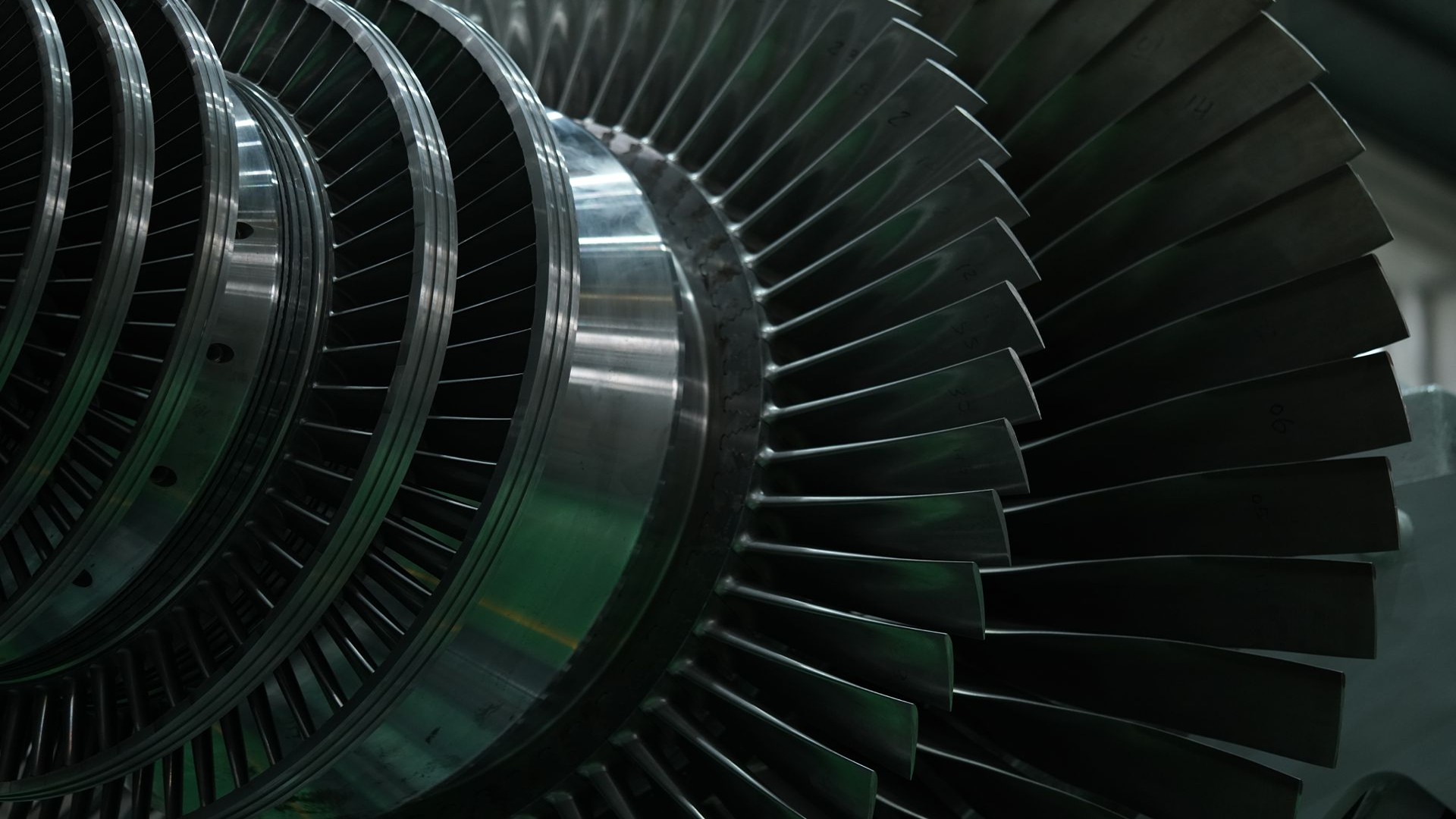
The steam expands across the blades and transfers energy to the rotating parts.
- The Shaft Starts Rotating
Blade movement rotates the shaft, which can drive a generator, pump, compressor, or other equipment.
- Exhaust Steam Leaves at Controlled Pressure
After energy extraction, steam exits at a preset back pressure for process use.
The exhaust steam is used for heating, drying, distillation, or other plant operations. The working principle of back pressure turbine suits plants with steady steam demand.[Text Wrapping Break]
Key Components of a Back Pressure Turbine
Each component helps control steam flow, transfer power, and maintain safe operation.
It controls steam entry and helps manage turbine load, speed, and response.
The blades convert steam energy into rotational motion and influence turbine performance.
- Rotor and Shaft
The rotor holds the blades, while the shaft transfers mechanical power to connected equipment.
- Casing
The casing protects internal parts, handles steam pressure, and guides steam flow.
- Exhaust Outlet
The exhaust outlet releases steam at the required pressure for process use. This is central to the working mechanism of back pressure turbine.
- Governor System
The governor adjusts steam flow during load changes and helps maintain a stable speed.[Text Wrapping Break]
Industrial Applications of Back Pressure Turbines
The back pressure turbine working principle suits industries that need power along with regular process steam.
Used for power generation while supplying steam for heating, evaporation, and crystallization.
Supports pulping, drying, and chemical treatment while improving steam energy use.
- Textile Industries
Helps meet steam demand for dyeing, drying, and finishing processes.
Supplies controlled steam for reactors, distillation columns, and heat exchangers.
- Food Processing Units
Supports cooking, cleaning, drying, and sterilization during continuous operations.[Text Wrapping Break]
Building Efficient Steam and Power Systems
A back pressure turbine is useful for industries that need electricity or mechanical power along with usable process steam. It allows high-pressure steam to produce work first, then delivers exhaust steam at a controlled pressure for plant operations. This makes the system different from turbines that send exhaust steam mainly for condensation.
The back pressure turbine working principle is most effective when a facility has a steady steam demand and a clear use for exhaust steam. At Triveni Turbines, we focus on helping industries understand turbine solutions that support efficient energy use and reliable operations.
With correct sizing, pressure control, steam quality, and maintenance, these turbines can serve sugar, paper, textile, chemical, and food processing plants effectively.