
6 Common Problems Avoided Through Steam Turbine Maintenance
Turbine performance graphs may occasionally show subtle dips that can indicate underlying issues. Such shifts often signal potential deviations that could disrupt operations. A well-structured steam turbine maintenance services program is designed to identify these issues early, thereby helping to prevent unexpected failures. When implemented effectively, it ensures that turbines remain reliable and operate smoothly, even as load conditions fluctuate. Proactive maintenance of steam turbine systems is essential to operational efficiency, safety, and long-term cost savings for the plant.
Regular inspections and early detection allow operators to address minor issues before they escalate. Monitoring performance trends over time also helps predict potential faults and plan repairs strategically.
Problems Prevented by Regular Maintenance
Here are six problems that regular maintenance helps prevent.
- Blade and Rotor Wear
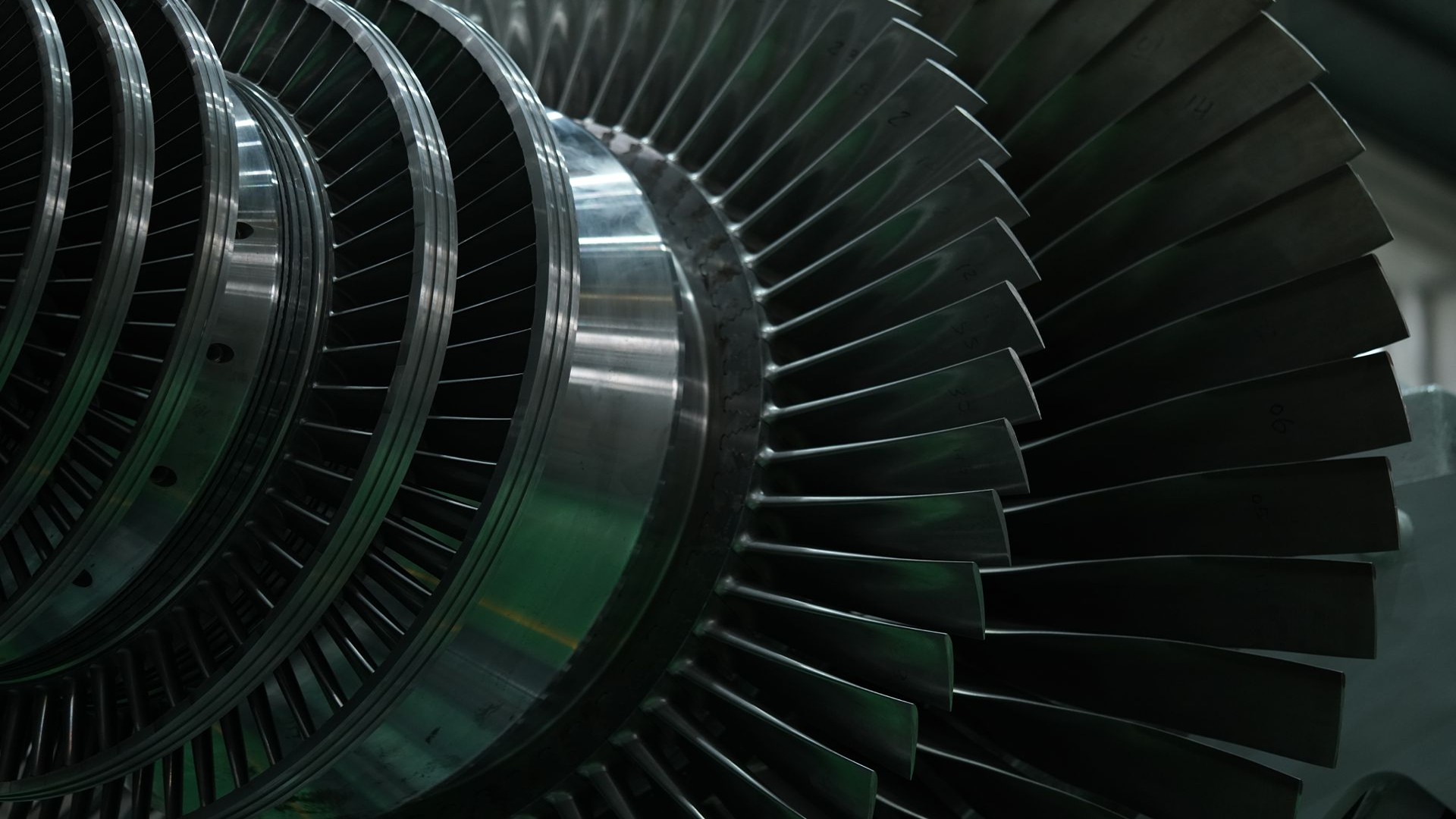
Over time, turbine blades may experience profile loss, and rotors may show signs of wear due to prolonged use and natural operational cycles. This can lead to reduced power output and increased fuel consumption. Regular maintenance of steam turbine rotating parts allows for timely inspections, clearance checks, and early intervention before wear becomes significant. Identifying issues early helps prevent costly repairs and extends the lifespan of components. Effective steam turbine maintenance ensures rotors remain balanced, minimizing the risk of unplanned downtime.
- Misalignment and Imbalance
As components settle and thermal cycles change over time, alignment may drift. This can result in vibration, bearing overload, and excessive mechanical forces. A structured steam turbine maintenance schedule, which includes regular alignment checks and high-speed balancing, helps ensure rotor alignment remains within acceptable limits, reducing stress on components. Proper alignment also helps prevent excessive bearing wear, promoting smoother turbine operation.
- Fouling and Steam-Path Deposits
Even well-maintained steam can leave behind residual deposits over time. Nozzles, blades, and casings may accumulate material, reducing flow velocity and overall efficiency. Through well-maintained steam paths as part of steam turbine maintenance services, surfaces can be cleaned, and aerodynamic flow restored, ensuring the turbine continues to perform at optimal levels. Addressing fouling and deposits helps maintain efficiency and prevents energy losses.
- Efficiency Drop and Rising Heat Rate
With ongoing use, issues such as worn seals, distorted blades, or changes in steam flow can lead to efficiency declines. This results in a higher heat rate, which increases the cost of fuel per unit of power generated. Maintenance of steam turbine systems helps identify these inefficiencies early, enabling restoration of optimal output. Even small improvements in efficiency can have significant long-term benefits, reducing operational costs and enhancing plant performance.
- Lubrication Issues and Bearing Overheating
Bearings in steam turbines require proper lubrication, including the correct oil, flow, and clean lubrication systems. Even minor changes in oil quality or pressure may cause overheating and lead to bearing issues. Regular steam turbine maintenance services include monitoring lubrication systems, performing filter changes, and tracking temperature trends. Proactive lubrication checks reduce the risk of unexpected downtime, improve reliability, and extend turbine life.
- Hidden Faults and Unplanned Shutdowns
Occasionally, small issues such as seal leaks, loose fasteners, or minor cracks can lead to system trips or shutdowns. Although such problems are not inevitable, regular inspections, condition monitoring, and timely service can help detect them early before they escalate. By staying ahead of potential issues, steam turbine maintenance can prevent major operational disruptions and avoid costly emergency repairs. Addressing minor faults promptly helps ensure consistent, reliable operation.
Connecting Problems to Real-World Solutions
The issues above highlight the importance of proactive care. Treating steam turbine maintenance as a planned routine shifts plants from reactive to preventive maintenance.
Our turbines are known for their reliability, durability, and performance under demanding operational conditions. Plus, our REFURB™ solutions, including condition assessments, spare parts support, and alignment checks, complement routine steam turbine maintenance services to protect critical components and maintain steady performance.
With expert support, turbines run efficiently, reduce downtime, and allow teams to focus on plant productivity. Proactive maintenance also improves energy efficiency and extends turbine lifespan for more predictable operations.