
Corporate Overview
Management Discussion & Analysis
Introduction to Triveni Turbines
Triveni Turbines is a globally dominant leader in industrial heat and power solutions and decentralised, sustainable energy systems. Built on advanced R&D and precision engineering, the Company designs and delivers high efficiency, reliable and customised solutions that help industries optimise energy use, enhance operational performance, and reduce carbon footprint.
Engineering high performance steam turbine solutions
Triveni Turbines is a leading steam turbine OEM, delivering end-to-end capabilities for steam turbines up to 100 MW and comprehensive manufacturing, refurbishment, retrofit, and lifecycle solutions for turbines up to 1,000 MW across leading global OEM platforms. Driven by its deep expertise in thermodynamics, rotating equipment and system integration, the Company has evolved from a product-focussed manufacturer to a comprehensive solutions provider – supporting customers across the project lifecycle, from engineering and manufacturing to commissioning and ongoing performance support.
With an installed base of 6,000+ turbine installations, Triveni Turbines currently serves 20+ industries across 80+ countries, supporting a wide range of applications such as: Power generation and process co-generation, Biomass and waste to energy, Waste heat recovery, District heating and industrial utility systems.
The customer industries served by the Company include steel, cement, oil & gas, chemicals, sugar, textiles, pulp & paper, food processing, pharmaceuticals, geothermal, distilleries, refineries, fertilisers, and allied process sectors.
Enabling decentralised, low carbon energy for industry
Triveni Turbines’ innovative and extensive solutions support efficient generation of heat and power closer to the point of consumption, enhancing reliability, reducing transmission losses, and improving energy efficiency. Steam turbines continue to play a critical role in converting energy from steam into mechanical and electrical energy, helping industries improve efficiency, and also enabling cleaner power generation when integrated with renewable and waste to energy sources.
Through decentralised, energy systems, often integrated with biomass, waste heat recovery, solar thermal hybrids or other renewable sources – Triveni Turbines aids customers in transitioning toward lower carbon operations while maintaining dependable industrial performance. This ensures a strong competitive edge for the Company in the fast-evolving turbines market.
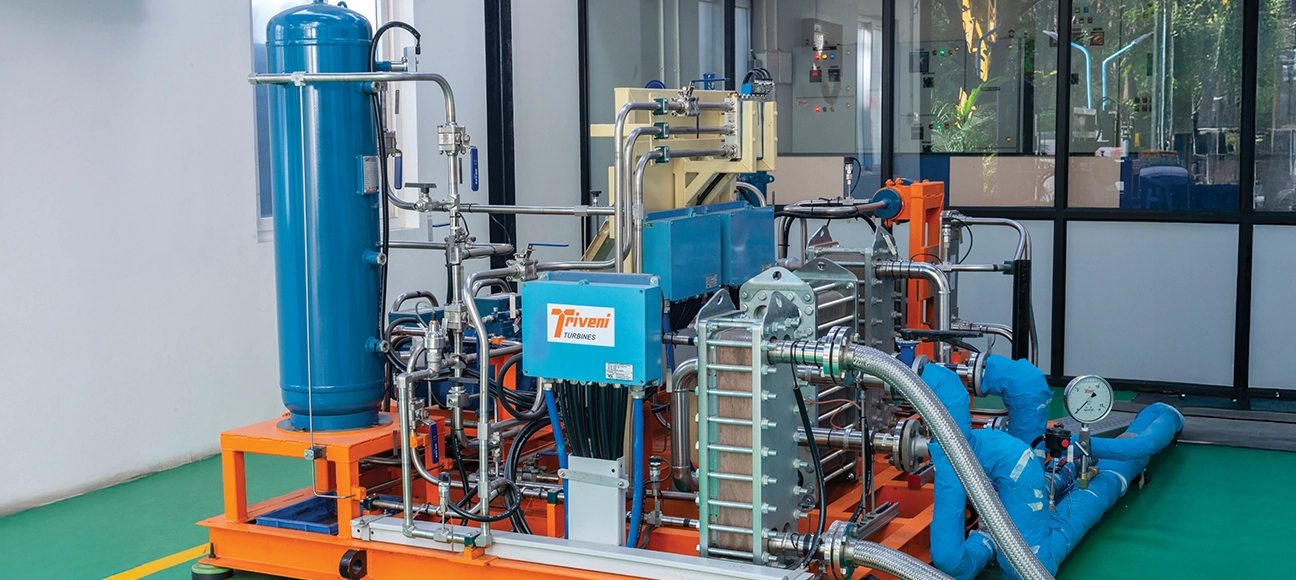
Expanding the global footprint
Triveni Turbines has a massive global footprint spanning over 80 countries across six continents. The Company delivers advanced, customised systems, manufactured at its state-of-the-art facility in Bengaluru (India), Pretoria (South Africa) and Houston (Texas) to customers across industries. The Company’s solutions are supported by a robust global ecosystem of service and customer support capabilities. Its international presence is strengthened by: Triveni Turbines Americas Inc. (TTAI) – serving the Americas; Triveni Turbines Africa (Pty) Ltd (TTAPL) – anchoring its presence in the African market; and a network of global service centres and partners supporting customers across key markets.
This scalable service network enhances responsiveness, strengthens aftermarket support, and helps ensure high availability and lifecycle performance for customer assets.
Advancing energy transition through innovation
Innovation remains central to Triveni Turbines’ strategy and steers its role in energy transition. Alongside conventional steam turbines, the Company is expanding its portfolio with next-generation, sustainable technologies that support decarbonisation and efficiency improvement, including:
- CO2-based heat pumps and chillers for low carbon heating and cooling applications
- Organic Rankine Cycle (ORC) turbines enabling efficient waste heat recovery and low carbon power generation across diverse industrial processes
To drive innovation and maintain its market competitiveness, TTL maintains a strong focus on research, development and engineering – supported by in-house capabilities and collaborations with leading global and domestic institutions. This helps drive continuous improvements in efficiency, reliability, and lifecycle performance.
Delivering end-to-end services across asset lifecycle
Triveni Turbines has, over the years, transformed from a product-centric to a solutions-oriented enterprise. The Company offers a comprehensive suite of lifecycle and aftermarket services for its own fleet as well as multi OEM rotating equipment. Its services are designed to maximise uptime, improve operating efficiency, and extend asset-life – supporting customers throughout the operational lifecycle of their equipment.
Global Energy Demand and Power Sector Overview
Energy consumption and demand continue to be on an upward trajectory worldwide. According to the International Energy Agency’s (IEA) World Energy Outlook 2025, the global primary energy demand is projected to reach 660–665 EJ, growing at 2.2% annually. This translates into an available Total Final Energy Consumption (TFC) of 420–430 EJ, after excluding the system conversion and transmission losses. The rise in global energy consumption is driven by an exponential growth in AI and digital infrastructure investments, showcasing structural transformation toward electrification, with electricity’s share of global TFC forecast to surge from 21% to 30% by 2030 and reach 50% by 2050. While the Industry sector remains the largest energy consumer, accounting for 35–40% of global TFC (160–180 EJ), thermal applications (heating and cooling) dominate end-use, consuming half of all final energy.
To meet the net-zero targets, rising electricity needs, and aggressive electrification across data centres, EVs and heat pumps, the global electricity demand is growing at 6% annually. At the same time, the global installed power capacity surpassed 10,510 GW in 2025 and renewables contributed 49% of the total, according to the IEA’s Electricity 2026 and International Renewable Energy Agency (IRENA) report.
To keep pace with the demand, renewable power capacity is expected to reach 11,000 GW by 2030, while the advanced Small Modular Reactors (SMRs) will aggressively penetrate the industrial heat market to unlock the new decarbonisation segment.
In the United States, the installed power capacity expanded to 1,320 GW in 2025 to support record high data centre and commercial loads, according to the United State Energy Intelligence Agency (US-EIA) report. To secure grid reliability and balance intermittent power supplies, the US (utility-scale) steam turbine baseline maintained an operational range of 380 to 400 GW, successfully contributing to 42% of the country’s total electricity generation during this period.
Sources
Global Energy and Power Sector Overview
- https://www.eia.gov/international/data/world/electricity/electricity-capacity
- https://www.irena.org/-/media/Files/IRENA/Agency/Publication/2026/Mar/IRENA_DAT_RE_capacity_highlights_2026.pdf
- https://iea.blob.core.windows.net/assets/WorldEnergyOutlook2025.pdf
- https://www.iea.org/reports/electricity-2026
- https://www.ren21.net/what-are-the-current-trends-in-renewable-energy/
India Energy Demand and Power Sector Overview
Closely aligned with the global energy transition trends, India’s energy mix is expanding rapidly, primarily on account of robust economic expansion, urbanisation, and industrialisation. The nation’s total primary energy demand is estimated at 38–40 EJ, growing at 5–7% annually, which translates into an available TFC of 25–27 EJ. Similar to global trends, India’s expansion is driven by its industrial sector, which commands a dominant 40–45% share of the nation’s total final energy consumption.
India’s total installed power capacity reached 532 GW as of FY 26, according to the Central Electricity Authority (CEA). Renewable power capacity, at 210 to 215 GW, represents a substantial 43% to 45% share of the national energy mix, positioning the country firmly on its strategic trajectory towards achieving 500 GW of renewable capacity by 2030.
According to the Ministry of Statistics and Programme Implementation (MoSPI), ongoing digitalisation and infrastructure development have driven growth in electricity consumption. With manufacturing sector contributing 16–17% to the national GDP, securing reliable, affordable and continuous power is crucial. To achieve this, energy-intensive sectors rely heavily on captive power generation for a customisable supply of electricity, steam, and heat. Facilities are integrating cogeneration alongside a diverse energy mix, comprising fossil fuels to solar, wind, biopower (biomass) and waste-to-energy, to reduce grid dependence and optimise efficiency. Deployment of such clean energy solutions is vital to sustaining market competitiveness and meeting net-zero targets.
The key component of this diversified clean energy generation is biopower (including biomass and biogas), which accounts for approximately 11.6 GW of installed renewable captive power capacity, representing 14-15% of the total installed captive power capacity. By efficiently converting organic and agricultural waste into usable power, these technologies are reducing fossil fuel dependency and fostering a highly resilient, low-carbon grid.
Global Steam Turbine Market Overview
The global steam turbine market (incl. China and Japan) grown at a CAGR of 18%, from 60 GW in 2021 to 116 GW in 2025. In 2025, the market declined by 2%, impacted by geopolitical tensions causing supply chain disruptions, and execution challenges.
The global steam turbine market (excl. China and Japan) grown at a CAGR of 22%, from 27.5 GW in 2021 to 60 GW in 2025. However, the market registered growth of 79% in 2025, driven by increasing demand for industrial heat and power solutions. The >100 MW market dominates the overall market, with 88% share in 2025, largely driven by utility-scale turbines.
The sub-100 MW industrial steam turbine (excl. China and Japan) market in 2025 register a growth of 25% to reach 7 GW. Within this, the <30 MW segment recorded a modest growth of 3%, while the 30.1–100 MW segment expanded significantly by 55%.
<100 MW
>100 MW
<30 MW
>30.1-100 MW
The 30.1-100 MW market which represent 54% of the market in 2025 is largely driven by Thermal Renewable fuel units specially from segments like Steel, Cement, Chemicals & Petrochemicals and led by Asian markets.
Shift Toward Renewable Thermal Energy
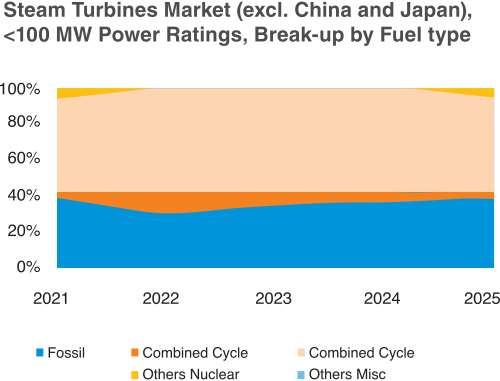
According to the McCoy Report, the last 5 years global steam turbine market (incl. China and Japan) has seen a clear global shift away from conventional fossil fuels declined from 59% in 2021 to 53% in 2025.
However, in the sub-100 MW market (excluding China and Japan), thermal renewables have demonstrated strong and consistent growth. The share of biomass, Waste-to-Energy (WtE) and Waste Heat Recovery (WHR) fuels has remained high, although it moderated slightly from 66% in 2021 to 65% in 2025. Meanwhile, the share of fossil fuels, which declined during the intervening period, has remained at 22% in 2025, broadly in line with 2021 levels. This reflects the continued role of conventional thermal energy in meeting the growing global energy requirement, as renewable sources alone are yet to fully address the incremental demand for reliable power.
Triveni Turbines: Sustained Market Leadership through Innovation
Over the past decade, Triveni Turbines has consistently outpaced broader market trends, supported by rising demand for industrial heat and power in its focus segments and a steady gain in market share. As a result, Triveni Turbines ranks among the top two global players in a technically demanding market traditionally dominated by large multinationals. The Company also holds a strong leadership position in the thermal renewable-fuel-based segments, including biomass, Waste-to-Energy (WtE), and Waste Heat Recovery (WHR).
Source
- McCoy Power Database, 2025
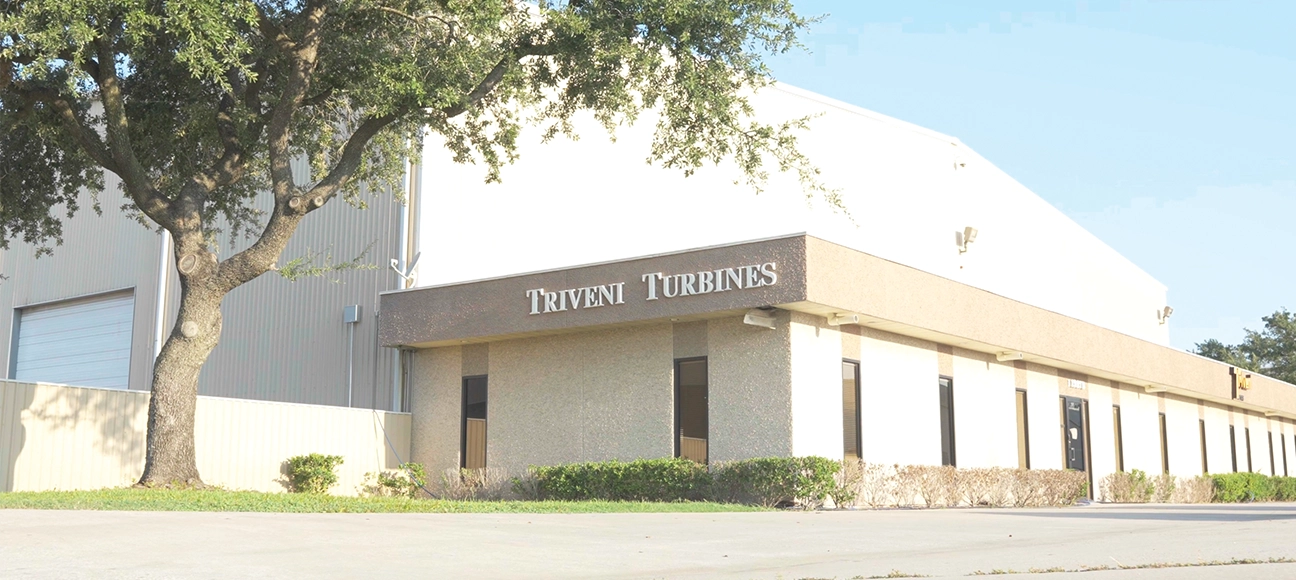 Plant & Office of TTAI, Americas
Economic and Business Overview
The outlook for the Company’s business remains strong and positive in the backdrop of the global and domestic economic projections.
According to the International Monetary Fund (IMF) – World Economic Outlook, the global real GDP growth for 2025 is at 3.2% and projected to reach 3.1% in 2026. This indicates a modest recovery, constrained by trade disputes, geopolitical tensions, and differing international policies. Despite these global challenges, India’s economic outlook remains robust, with 7.1% GDP growth in FY 25 and projected to reach 7.7% in FY 26, according to MoSPI. Strong domestic demand, continued infrastructure expansion, and policy-led investments in energy and sustainability will drive continued growth for the country.
The economic projections augur well for Triveni Turbines. Strengthened by its robust order booking performance and enquiry pipeline in FY 26, the Company is well-positioned to scale growth, supported by a resilient domestic supply chain that bolsters its competitive advantage. This momentum is driven by a strong order backlog from the Industrial Power Generation (IPG) business and for pump drives in thermal plants and refineries, reinforcing TTL’s market strength in API compliant steam turbine business. At the same time, the Aftermarket segment provides a stable revenue foundation through a steady stream of both new and repeat orders for spares and services.
The strategic focus for Triveni Turbines remains clear. The Company is leveraging its expanding international footprint, alongside strategic expansion into high-potential markets like the US, to drive its sustained long-term growth strategy. Its growth is underpinned by the global energy transition towards sustainable power, with rising electricity demand led by waste-to-energy, geothermal and decentralised power solutions accelerating renewable thermal energy applications. The Aftermarket segment is also widening its reach by offering refurbishment solutions for a more diverse range of steam, gas, and utility turbines. Furthermore, advancements in High Temperature CO2 Heat Pumps and CO2-based Energy Storage (ESS) are positioning the Company for a broader market leadership.
Triveni Turbines Americas Inc. (TTAI)
TTL’s Houston facility in Texas serves as a strategic growth engine for the Americas, enhancing customer confidence through specialised refurbishment services. After launching in FY 25, the Company upgraded the facility in FY 26 with advanced equipment to boost service capacity. By operating as both an OEM and an independent provider, TTAI now delivers complete end-to-end solutions, effectively moving up the value chain.
Triveni Turbines Africa Pyt Limited (TTAPL)
FY 26 was a landmark year for Triveni Turbines Pty Ltd, marked by strategic expansion across Africa and entry into new markets. The Company established a presence in Kenya, Ghana and Mozambique through a geothermal renewable energy project, utility sector and delivery of reverse-engineered turbine rotor components respectively. Through its partnership with a leading South African power utility, TTAPL contributed to improving Energy Availability Factor (EAF) from 56% to 65% while maintaining service performance above 96%. Additionally, the integration of TSE Engineering into Triveni Turbines Africa strengthened operational synergies and created a robust platform for future growth across industrial and utility sectors in sub-Saharan Africa.
Sources
Global Real GDP, 2025
- https://www.imf.org/en/publications/weo/issues/2025/10/14/world-economic-outlook-october-2025
- https://www.bdo.in/en-gb/insights/indian-tiffin/december-edition-2025
Product Business Overview
The product business contributed ₹ 14.47 billion, accounting for 62% of the total order bookings during the year. Growth in this business was fuelled by order finalisations across sectors like steel & cement (waste heat recovery applications), oil & gas (API compliant pump drive and STG turbines), and biomass as well as waste-to-energy based power generation. Domestically, order book grew 8% year-on-year, with the healthy after market mix.
Despite geopolitical tensions and tariff barriers impacting international order finalisations towards the end of FY 26, the Company secured key order wins across the Middle East, Southeast Asia and Europe, owing to the broadening of its international footprint. During this period, TTL prioritised exploring a wider range of market opportunities, while continuing to refine pioneering technologies like high-temperature heat pumps and CO2-based Energy Storage Systems (ESS).
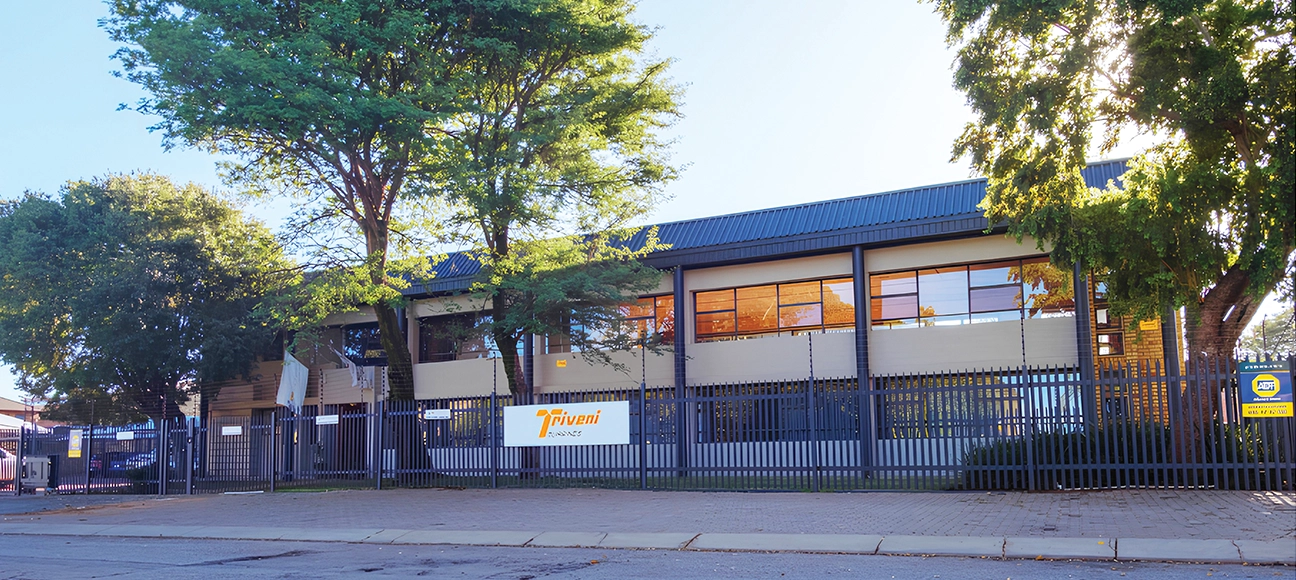 Plant & Office of TTAPL, South Africa
Robust enquiry pipeline
Global diversification and a robust enquiry pipeline powered TTL’s sustainable growth during the year. International and domestic enquiries surged almost doubled, fuelled by the Product and Refurbishment (REFURB™) segments. In product business, the IPP segment remains a key growth driver, seeing strong order conversions from steel & cement, process industries, oil & gas and sugar & distillery segments. The aftermarket business thrived on a mix of new, repeat and referral orders – a clear validation of TTL’s diversified business strategy. The Company’s strategic milestones for the year included a grid-stabilising utility contract in the SADC region that has opened business avenues for future service expansion.
In FY 26, the North American enquiries surged multi-fold, driven by the demand for AI data centre, small nuclear reactors, and combined cycle units. Although, tariffs and geopolitical unrest have delayed order finalisation towards the end of FY 26. The company earmarked a milestone entry into the U.S. geothermal market with our refurbishment business.
Aftermarket Business Overview
The aftermarket business saw exceptional growth in FY 26, as order bookings surged by 41% year-on-year to reach ₹ 8.78 billion. This performance, driven by a healthy mix of new, repeat, and referral orders, now represents 38% of the overall order bookings, and underscores a successful strategic shift towards diversified business streams. REFURB™ order bookings surged by 107% year-on-year, primarily driven by finalisations from international regions. The business vertical remains dedicated to its core mission of providing timely maintenance and spare parts needed to maximise asset performance and longevity – a strategic focus that will steer sustained business growth for the Company in the coming years.
The growth trajectory in this business is powered by robust global demand and efficient execution, creating strong momentum in both enquiry generation and order inflows. By continuing to broaden its geographic reach and sectoral presence, the Company is positioning the Aftermarket segment to play a significant role in its overall growth strategy. Furthermore, the division is evolving into a premier provider of comprehensive lifecycle solutions, utilising its technical expertise to service turbines and rotating equipment from a wide variety of manufacturers – a transition that will strengthen the business value proposition, going forward.
New Product Business Overview
FY 26 was a pivotal year for TTL’s New Product Development (NPD), as the Company advanced high-efficiency solutions to meet the demands of the AI infrastructure boom and the global energy transition in the emerging geopolitical backdrop. While pioneering the implementation of technologies like CO2-based Energy Storage (CESS) and high-temperature heat pumps, challenges of technology-readiness and integration were managed through disciplined engineering and strategic collaboration.
A standout achievement was TTL’s partnership with the Indian Institute of Science (IISc), Bengaluru, which bridged academic research with the Company’s industrial expertise to master Transcritical CO2 pressures. This collaboration successfully tailored the thermodynamic cycle to perform far beyond the limits of conventional refrigerants. Rigorous testing at TTL’s new Heat Pump Test Centre has since validated all performance benchmarks, establishing a strong foundation of reliability and customer confidence.
To effectively navigate the challenges, the Company has embedded a rigorous risk management framework directly into its innovation process:
- Governed Investments: The NPD programme follows a disciplined “staged investment” model. This ensures that capital is deployed only as key milestones are met, keeping projects aligned with long-term shareholder value and market demand.
- Operational Integrity: TTL’s Risk Management Policy identifies NPD as a high-priority area. The Company maintains strict internal controls to ensure every new product meets the highest standards of safety, sustainability and reliability, essential for mission-critical sectors like data centres and heavy industry.
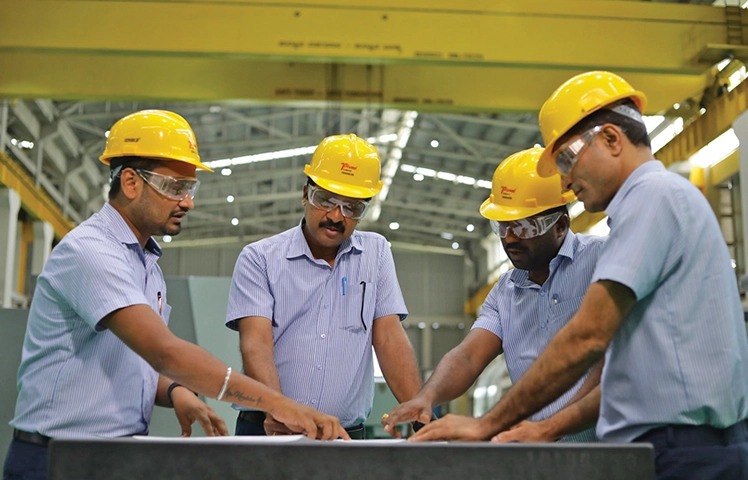
Key Strategic Pillars & Achievements
CO2-Based Energy Storage (CESS): Following its milestone turnkey contract with NTPC, TTL has moved towards full execution-readiness for mechanical long-duration storage. This “lithium-free” technology offers a 20+ year lifespan, providing a sustainable alternative for grid firming as renewable energy capacity grows.
Breakthrough in CO2 Turbomachinery (Subcritical and Supercritical): TTL successfully designed and tested its second 20 MW subcritical CO2 turbine for the NTPC-Kudgi project. This validates the Company’s ability to scale CO2-based power cycles for non-steam renewable and storage applications.
Commercial Launch of India’s First CO2 Heat Pump: Unveiled in August 2025, the high-temperature CO2 Heat Pump (developed with IISc Bengaluru) is a gamechanger for industrial decarbonisation. It delivers heat up to 120°C with a best-in-class COP of 6, offering 3x the efficiency of conventional electric heating for industries like pharma, food & beverage, and chemicals.
A standout achievement was TTL’s partnership with the Indian Institute of Science (IISc), Bengaluru, which bridged academic research with the Company’s industrial expertise to master Transcritical CO2 pressures.
Expanding the Fluid Portfolio: The Company developed new turbines and expanders capable of operating with non-steam fluids (organic and inorganic). These are critical for waste heat recovery and converting low-grade thermal energy into power.
Aligning with AI & Data Centres: With global AI Capex expected to hit ~$700 billion in 2026, TTL is tailoring its thermal management and power solutions to meet the 24/7 clean energy and advanced cooling needs of high-density data centres. In FY 26, the Company aligned its NPD with the surging requirements of AI infrastructure. As data centres scale with higher power densities, TTL is pivoting towards advanced cooling solutions, such as direct-to-chip systems and waste heat recovery. To address growing water constraints, it is also developing water-efficient thermal and desalination solutions. The focus remains on delivering 24/7 clean power and reliable heat management, essential for mission-critical digital operations.
Scaling for the Future
Looking ahead, TTL is strategically positioned to capitalise on the surging demand for long-duration energy storage, electrified industrial heating, waste heat recovery, and advanced thermal solutions for digital infrastructure. The combined success of the NTPC-CESS project, CO2 turbomachinery milestones, and commercial launch of the CO2 heat pump (backed by dedicated testing capabilities) empowers the Company to scale these innovations responsibly and competitively to ensure sustained and sustainable long-term growth.
As the energy transition and AI infrastructure reshape global investment priorities, the NPD portfolio will expand TTL’s market reach while reinforcing its commitment to sustainability, “Make in India” engineering, and technology-led growth.
Manufacturing & Supply Chain Excellence
Triveni Turbines’ dedication to manufacturing excellence is fundamental to ensuring long-term value creation and stakeholder trust. In FY 26, the Company advanced its commitment to inclusive growth by enhancing its manufacturing culture; most notably, women engineers and technicians are now driving key operations across turbine assembly and precision machining.
Operational Highlights:
- Manufacturing & Supply Chain Transformation (TRI-ZEN): TTL initiated TRI-ZEN, a strategic Manufacturing and Supply Chain Transformation initiative aimed at building a world-class, agile, and digitally-enabled production system (TTPS 2.0). The programme focusses on strengthening governance, standardising manufacturing and supply chain processes, enhancing end-to-end visibility, and improving cross-functional collaboration across the value chain. By integrating lean principles, digital technologies, and robust performance management, TRI-ZEN is driving sustainable improvements in productivity, quality, delivery performance, and operational resilience. As the transformation progresses, the initiative will establish a scalable foundation to support future growth, boost operational excellence, and enhance customer value.
- Technical Innovation: TTL enhanced its production capabilities through the adoption of digitalised hydro testing for turbine casings and advanced laser hardening processes during the year.
- Strategic Projects: The year was marked by the successful execution of four high-criticality turbine projects, featuring fully integrated lube, jacking, and control oil systems that met rigorous international safety and compliance standards.
- Lifecycle Support: TTL’s re-manufacturing teams ensured the reliable supply of refurbishment solutions and critical spares to customers across the nuclear power, geothermal energy and process industries, reinforcing the Company’s global reputation for lifecycle support.
Efficiency & Supply Chain:
Driven by lean manufacturing and deep supply-chain engagement, TTL achieved a significant 40% reduction in manufacturing throughput time and a 25% improvement in subcontract lead times in FY 26. Furthermore, the expansion of its global sourcing footprint has enhanced the Company’s cost competitiveness and quality consistency.
Road Ahead:
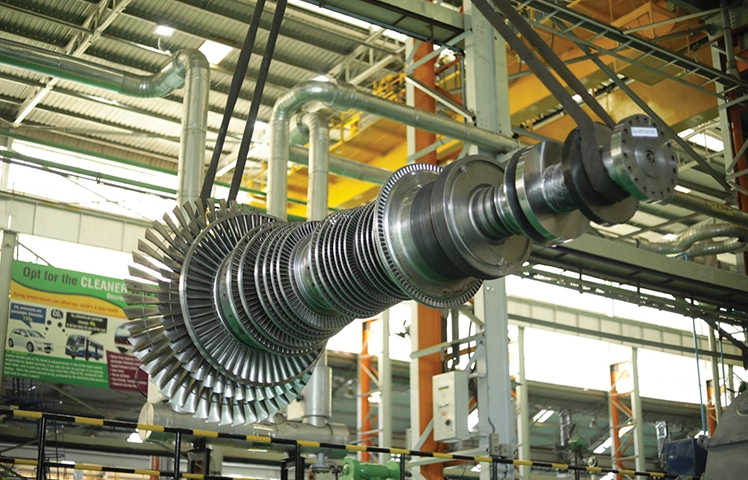
Looking towards FY 27, TTL is investing in high-precision infrastructure (expansion of Sompura facility with D-Bay), including Gantry and 5-axis blade polishing machines. By expanding its manufacturing footprint at Sompura, the Company is building a scalable, future-ready hub for emerging technologies. Supported by an agile and capable team, Triveni Turbines is well-positioned to remain a trusted global leader in efficient rotating equipment solutions.
Corporate Social Responsibility (CSR)
CSR objectives and vision
Triveni Turbines continues to position itself as a “Company with Conscience” actively and consistently working to support the social and economic advancement of the communities it serves. The Company targets deprived, underprivileged, and differently abled individuals through meaningful and high impact programmes. It firmly believes that sustainable business success is rooted in giving back to society and operating in an environmentally responsible manner.
Triveni Turbines remain committed to enhancing people’s lives and enabling their holistic development through focussed initiatives in Healthcare, Education & Training, Sustainable Environment, Promoting Sports and Technological Innovation and Development. During FY 26, the Company designed and executed a comprehensive set of CSR programmes aimed at creating maximum positive impact on its target beneficiaries, in collaboration with credible and experienced implementation partners.
Driven by a strong sense of corporate citizenship, Triveni Turbines aspire to be a socially responsible organisation that contributes to inclusive and equitable development for society at large. The Company also strives to embed social and environmental considerations into its core business operations, reflecting a heightened commitment at all organisational levels to conduct business in an economically, socially, and environmentally sustainable way.

Financial Review
Consolidated Financial Statements
The consolidated financial results of the Group for FY 26, in comparison with the previous year, are summarised below. The statements have been prepared taking into account the results of TTL’s subsidiaries, namely: Triveni Turbines (Europe) Private Limited (TTEPL), a wholly-owned subsidiary based in United Kingdom; Triveni Turbines FZCO (TTFZCO) (Formerly known as Triveni Turbines DMCC, a wholly-owned subsidiary based in Dubai; Triveni Turbines Africa (Pty) Ltd (TTAPL), a wholly-owned subsidiary based in South Africa; TSE Engineering (Pty.) Ltd (TSE), a wholly-owned subsidiary based in South Africa (w.e.f. October 30, 2025): Triveni Turbines Americas Inc (TTA) based in the United States of America; and Triveni Energy Solutions Limited (TESL), a wholly-owned Indian subsidiary. Further, the consolidated financial statements include the performance [accounted by using the equity method] of the joint venture (50% controlled) Triveni Sports Private Limited (TSPL).
These subsidiaries strengthen the global presence of the Triveni brand, enabling the Group to expand its market reach through deeper market insights, improved customer trust and loyalty, access to international resources, adherence to local regulations, and alignment with regional cultural and business practices. The outlook for the Group’s subsidiaries, particularly those operating internationally, remains positive.
TTL has chosen to showcase its financial review for consolidated financial results to present a holistic view of the Group’s financial performance.
(₹ in Million)
| Particulars | 2025-26 | 2024-25 | Change % |
|---|---|---|---|
| Revenue from operations | 21,811 | 20,058 | 8.7 |
| Other Income | 765 | 810 | (5.5) |
| EBITDA | 5,268 | 5,177 | 1.7 |
| EBITDA Margin | 24.2% | 25.8% | – |
| Profit before tax and exceptional items | 4,888 | 4,886 | 0.1 |
| PBT Margin | 22.4% | 24.4% | – |
| PBT after exceptional item | 4,731 | 4,886 | (3.2) |
| PBT margin % after exceptional item | 21.7% | 24.4% | – |
| PAT | 3,494 | 3,586 | (2.6) |
| PAT Margin | 16.0% | 17.9% | – |
| Total Comprehensive Income | 3,659 | 3,604 | 1.5 |
These summarised financial results are based on the consolidated financial statements that have been prepared in accordance with Indian Accounting Standards (Ind AS), notified under the Companies Act, 2013 (“the Act”), and other relevant provisions of the Act.
Consolidated Financial Performance
During FY 26, the Company reported the highest-ever annual Revenue from Operations at ₹ 21,811 million - a growth of 8.7% as compared to FY 25, due to strong performance in product sales. The EBITDA of ₹ 5,268 million is higher than the previous year’s EBITDA of ₹ 5,177 million, showing an increase of 1.7%. EBITDA margins declined by ~160 bps to 24.2% in FY 26 as against 25.8% in FY 25, primarily impacted by an adverse segment mix and execution of strategic orders during FY 26.
Click here to go to the chapter
Key Risks, Concerns and Mitigation
Triveni Turbines operates in the global turbomachinery and industrial-energy equipment sector, and its performance is influenced by key developments in international energy markets, cross-border supply chains, technology transitions, and project-execution environments. The Company follows a proactive risk management strategy to protect its business and assets from global and domestic volatility and vagaries. Its Risk Management Committee reviews the enterprise risk landscape on a structured basis and oversees mitigation. The key risks assessed as capable of materially affecting the business, together with their mitigation measures, are set out in the full chapter.
Click here to go to the chapter