Powering a Greener Paris: The Global Standard for Waste-to-Energy Excellence
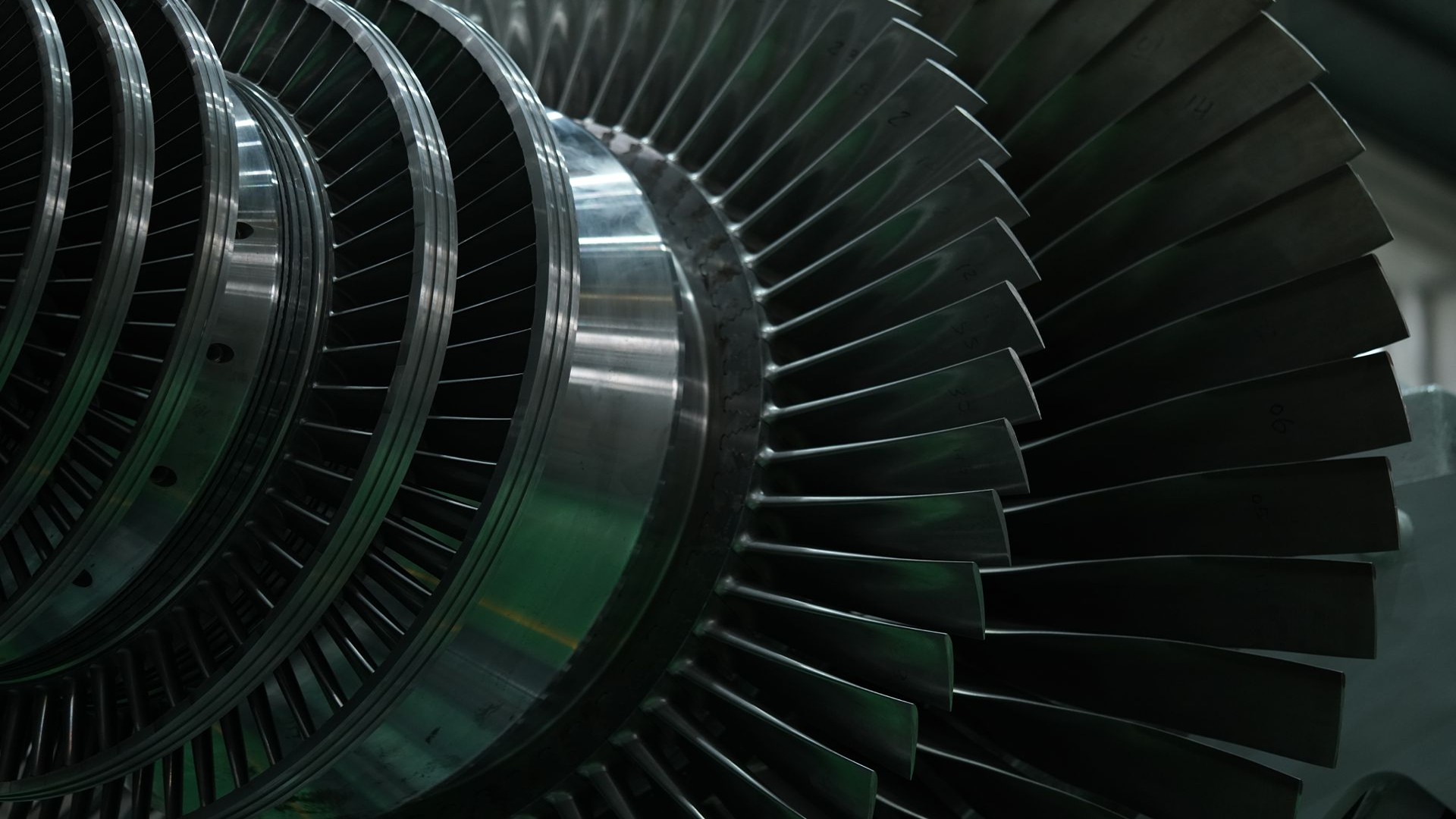
Every city produces waste, and every city needs power. A few kilometres from the Eiffel Tower, a waste-to-energy plant in Créteil shows how the two challenges can be addressed at the same site. It takes non-recyclable waste that would otherwise require disposal and recovers useful energy from it in the form of electricity and heat. At the centre of that process sits a piece of engineering that rarely gets the spotlight it deserves: the steam turbine.
Triveni Turbines has built experience in this space, with waste-to-energy steam turbine generators installed across India, Europe, Thailand and South Korea. Its turbines are designed to operate under continuous base-load conditions and varied grid requirements, making reliability an important part of running a WtE power plant.
How a Waste Incineration Power Plant Works
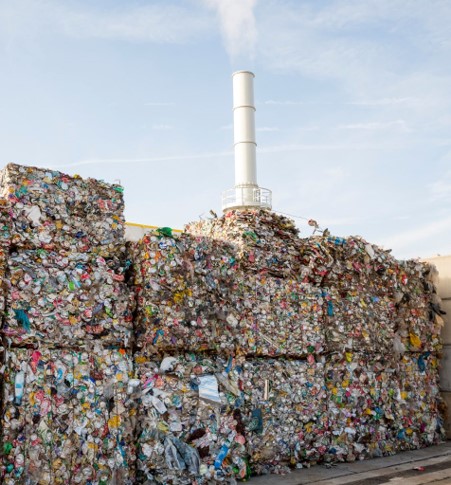
The process is straightforward. Municipal solid waste, along with certain commercial and industrial waste streams, is processed and fed into a combustion chamber. The heat released from combustion produces steam, which is directed through a turbine connected to a generator to produce electricity.
This is where the waste-to-energy steam turbine plays its role. The turbine converts the energy in the steam into mechanical power, while the generator converts that mechanical power into electricity. Depending on the plant configuration, steam can also be extracted for heating or industrial applications.
The Paris Project: A Case Study in Scale
The Créteil project is one example of Triveni Turbines’ experience in WtE applications.
As part of a major capacity upgrade, Triveni Turbines supplied a 28.9 MW steam turbine to replace an older 20 MW unit. The upgraded facility is designed to process an additional 100,000 tonnes of household and medical waste each year, taking its total processing capacity to approximately 345,000 tonnes annually.
The turbine is designed to supply process steam, support district heating and export electricity to the grid. The project shows how a municipal waste to energy facility can combine waste treatment with energy recovery and useful heat.
Why Waste-to-Energy Matters for Sustainability
A municipal waste to energy plant can reduce the quantity of non-recyclable waste requiring disposal while recovering energy from the waste stream. The recovered heat can be used to generate electricity and, depending on the plant configuration, provide useful steam or district heating.
This also supports more efficient use of resources. In the Créteil project, for example, the steam turbine serves multiple requirements, including power generation, process steam and district heating.
For operators, the efficiency of this energy recovery matters. Using the recovered heat for both power generation and useful steam allows WtE facilities to make better use of the energy available from the waste stream.
Reliability and Compliance, Not Just Output
WtE plants are typically designed for continuous operation and can face varying steam and operating conditions. Triveni Turbines’ waste-to-energy steam turbine solutions are designed for continuous base-load operation and varied grid conditions. Its turbines are also designed around the specific operating parameters of individual WtE plants rather than applying one standard configuration to every facility.
Environmental performance also depends on the wider waste incineration power plant, including combustion, emission-control and waste-handling systems. The steam turbine’s role is to convert the steam generated by the process into useful power and, where required, useful heat.
A Global Footprint in Waste-to-Energy
Paris is one example of Triveni Turbines’ wider WtE experience. The company states that its steam turbine generators serve WtE power plants across India, Europe, Thailand and South Korea.
Its international portfolio includes a 35 MWe bleed-cum-condensing steam turbine generator for a WtE power plant near Istanbul, Turkey. Triveni’s published case material also features a 15.6 MWe condensing steam turbine generator for a refuse-derived-fuel power plant at a paper manufacturer in Germany.
These projects demonstrate the range of waste-based applications in which steam turbine technology can be used, from municipal waste to energy treatment to refuse-derived fuel applications.
As cities look for practical ways to manage growing waste volumes while recovering energy, projects like Créteil show how a single turbine can support grid power, process steam and district heating from the same waste stream.