5 Core Principles That Explain Reaction Turbine Working in Hydropower Systems
Hydropower systems depend on controlled water movement, stable pressure, and efficient energy conversion. A reaction turbine supports this process by using both water pressure and flow velocity to move the runner.
The working principle of a reaction turbine explains how water energy is converted into mechanical energy inside the turbine. For engineers and plant teams, this understanding is useful when evaluating turbine performance, flow stability, and long-term reliability. It gives a clearer view of how internal turbine conditions influence output, efficiency, and equipment life.
Let’s explore the key working principles of a reaction turbine that make this turbine system work.
5 Key Principles That Explain Reaction Turbine Working
The following working principles of a reaction turbine explain how it uses pressure, flow, and runner action to convert hydraulic energy into mechanical output.
A reaction turbine works with pressurized water that enters the runner through carefully designed passages. This pressure is an important part of the energy conversion process because it helps create a continuous force on the blades.
Unlike impulse turbines, reaction turbines do not depend only on high-speed jets striking the runner. The water stays in contact with the runner blades as pressure gradually changes inside the turbine. This controlled pressure movement helps the turbine produce smoother and more consistent rotational force.
- Pressure and Velocity Work Together
The working mechanism of a reaction turbine depends on both pressure energy and velocity energy. Instead of striking the blades and leaving immediately, water continues to flow through the runner while transferring energy.
As the flow moves through the runner passages, pressure and velocity interact to drive blade movement. This allows the turbine to extract energy throughout the flow path. The combined effect helps improve energy transfer from water to the rotating runner.
- The Runner Remains Surrounded by Water
In a reaction turbine, the runner usually remains surrounded by water during operation. This arrangement differs from turbine types in which water strikes only selected blade surfaces.
Full water contact allows pressure to act continuously on the runner blades. As a result, energy transfer happens more gradually, which supports smoother motion and stable turbine output. It also helps reduce sudden impact loads on the runner during operation.
- Blade Shape Controls Flow Direction
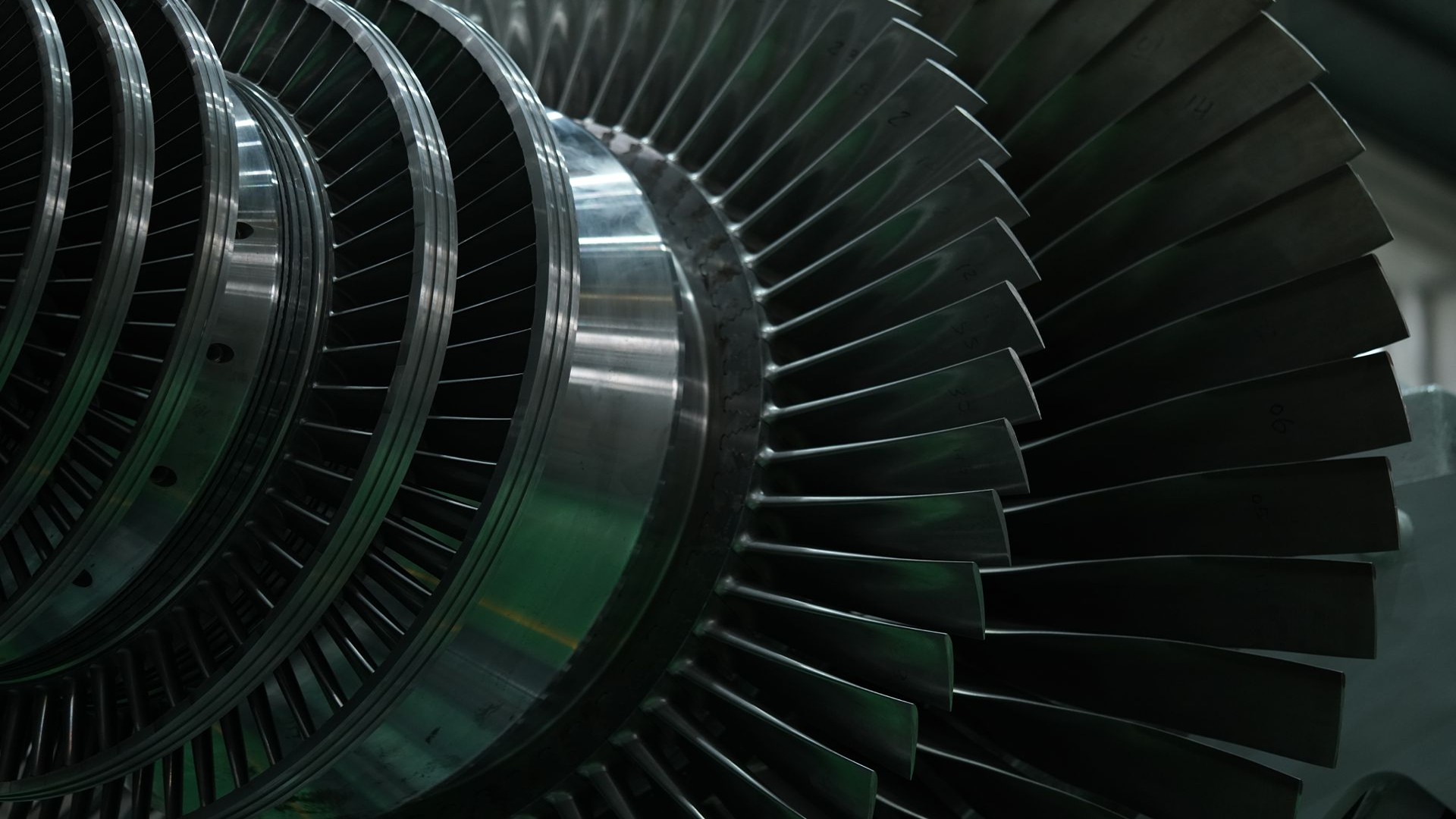
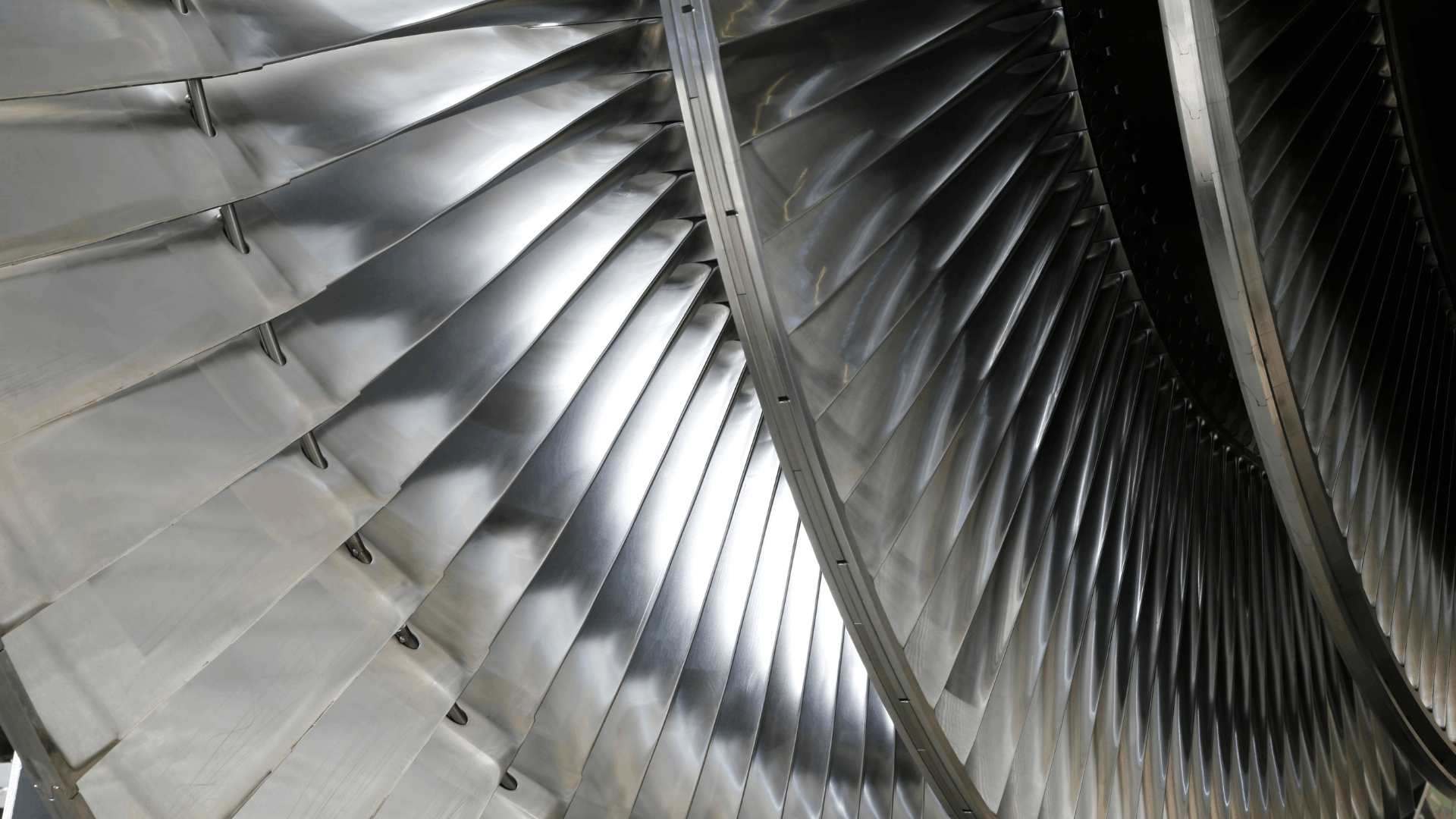
Blade design plays a major role in turbine performance because the runner blades guide water through the turbine. Their shape helps control how water changes direction, pressure, and speed as it passes through the runner.
As water flows over the curved blades, it generates a force that causes the runner to rotate. A well-designed blade profile can reduce flow losses, vibration, and uneven loading. This makes blade geometry important for both efficiency and mechanical stability.
- Flow Control Helps Maintain Output Stability
Reaction turbines require controlled water entry to maintain stable operation under varying load conditions. Guide vanes or similar control components direct water into the runner at the correct angle.
This control improves the operation of a reaction turbine by matching water flow to load requirements. When demand changes, flow regulation helps maintain speed, efficiency, and output stability. It also limits unnecessary stress on turbine components during operating changes.
The working principle of a reaction steam turbine follows a similar pressure-based concept, but with steam rather than water. In hydropower systems, this pressure-based reaction occurs as water moves through the runner, guide vanes, and flow passages.
Strengthen Turbine Understanding for Reliable Operations
Understanding turbine behavior helps engineers, operators, and plant teams make better decisions about design, operation, and maintenance. The working principle of a reaction turbine also helps teams identify why flow control, blade condition, pressure balance, and runner alignment matter. This knowledge can support better inspection planning, more informed troubleshooting, and improved operating discipline across turbine systems.
At Triveni Turbines, we combine engineering experience with application-focused solutions to support reliable turbine performance across industries. When teams understand how pressure and flow interact inside a turbine, they can reduce avoidable performance loss and improve long-term equipment confidence. Over time, this understanding becomes valuable for efficiency, safer operations, and stronger energy output.