
How do Sugar Mill Turbines Work in Industrial Cogeneration Applications
Sugar mills depend on steady heat and power across every major process, from cane crushing and juice heating to evaporation, crystallization, and refining. Since these operations run continuously throughout the season, energy reliability is a major factor in plant performance.
Cogeneration helps sugar mills meet this demand by using steam for both electricity generation and process heating. At Triveni Turbines, we ensure turbine solutions are designed to support dependable performance across industrial cogeneration needs.
Let’s understand how these turbines in the sugar factory work, where they fit into sugar mill operations, and why their design matters in cogeneration applications.
Understanding How Sugar Mill Turbines Work
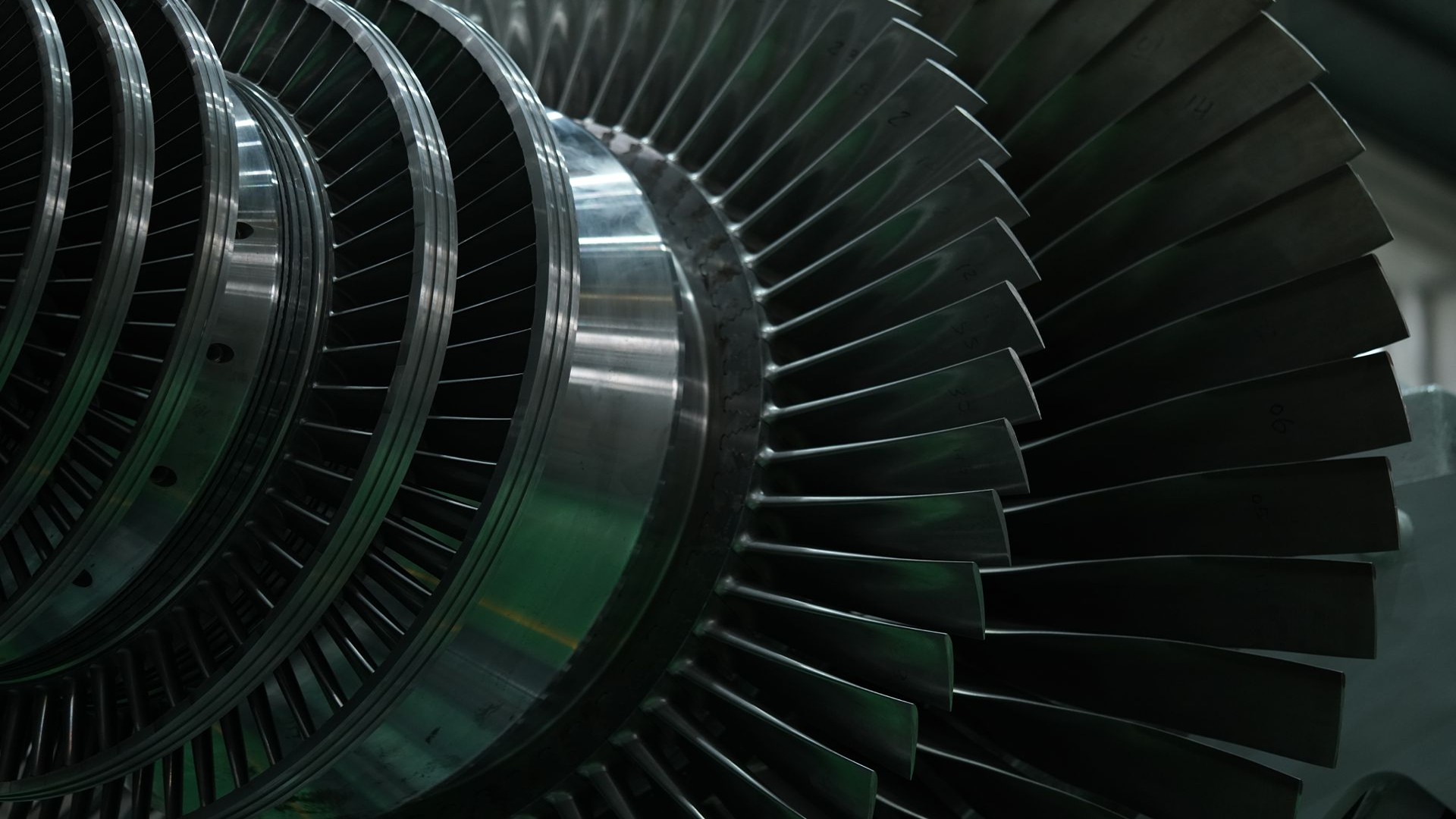
A sugar mill turbine uses high-pressure steam, often produced from bagasse-fired boilers, to generate power for plant operations. As steam expands through the blades, it spins the rotor connected to a generator.
In cogeneration, the remaining steam is reused for heating, evaporation, and other process needs. This allows the same steam cycle to support both electricity and thermal demand. It also helps plants reduce energy waste and improve overall fuel use. Thus, a sugar mill steam turbine can support power generation, thermal efficiency, and better biomass utilization.
6 Key Parts of Sugar Mill Turbines
The following parts help a sugar mill steam turbine deliver dependable power in cogeneration settings.
- Steam Inlet and Control Valves
The steam inlet is the entry point where high-pressure steam from the boiler reaches the turbine. From here, control valves manage the amount of steam entering the system based on plant demand. This flow control is important because sugar mill loads can change during crushing, heating, and evaporation stages.
- Nozzles and Steam Passages
Nozzles shape the way steam moves before it reaches the blades. They convert part of the steam pressure into high-speed flow, which helps the turbine extract energy more effectively. The steam passages then guide this flow through the turbine with better direction and control.
- Rotor and Shaft Assembly
The rotor is the central rotating part of the turbine. As steam transfers energy to the blades mounted on the rotor, the entire assembly begins to spin at high speed.
This motion is carried through the shaft to the generator or other connected equipment. For reliable operation, the rotor and shaft must remain properly aligned and balanced.
- Turbine Blades
Turbine blades are the parts that receive steam energy and turn it into rotational force. Their shape, angle, and arrangement decide how efficiently the turbine can use the available steam. Exhaust and Steam Extraction System
As steam passes over the blades, it changes pressure, velocity, or direction depending on the turbine design. This movement creates the force needed to rotate the rotor.
Bearings support the rotating shaft and help it move smoothly at high speed. Without stable bearing support, friction, heat, and vibration can quickly affect turbine performance.
The lubrication system protects these components by supplying oil to critical contact points. This oil reduces wear, carries away heat, and helps maintain smooth rotation during continuous operation. Sugar mills often run for extended periods during the crushing season, so reliable lubrication becomes essential.
After steam passes through the turbine stages, it still retains heat that can be used to support sugar processing. The exhaust and extraction system manages this steam so it can be reused at suitable pressure levels.
Build Smarter Cogeneration With the Right Turbine Strategy
Choosing the right turbine setup should begin with a clear view of the plant’s steam balance, operating pattern, and seasonal load demand. Plant teams should assess boiler pressure, process heat needs, power requirements, maintenance access, and long-term efficiency goals before finalizing the system.
At Triveni Turbines, we support industrial users with turbine solutions built around process requirements, reliability, and cogeneration performance. A carefully selected turbine can help sugar mills use bagasse more productively and manage energy with greater control.
Thus, when all components work in sync, cogeneration can help sugar mills build a more reliable, efficient, and future-ready energy foundation. To plan a turbine solution aligned with your sugar mill’s cogeneration needs, connect with Triveni Turbines.