What Defines Long-term Performance and Efficiency in a Steam Engine Turbine?
Steam power has supported industrial energy systems for decades because it converts thermal energy into dependable mechanical output. Power plants, manufacturing facilities, and energy-intensive operations rely on turbine technology for consistent electricity generation and process efficiency.
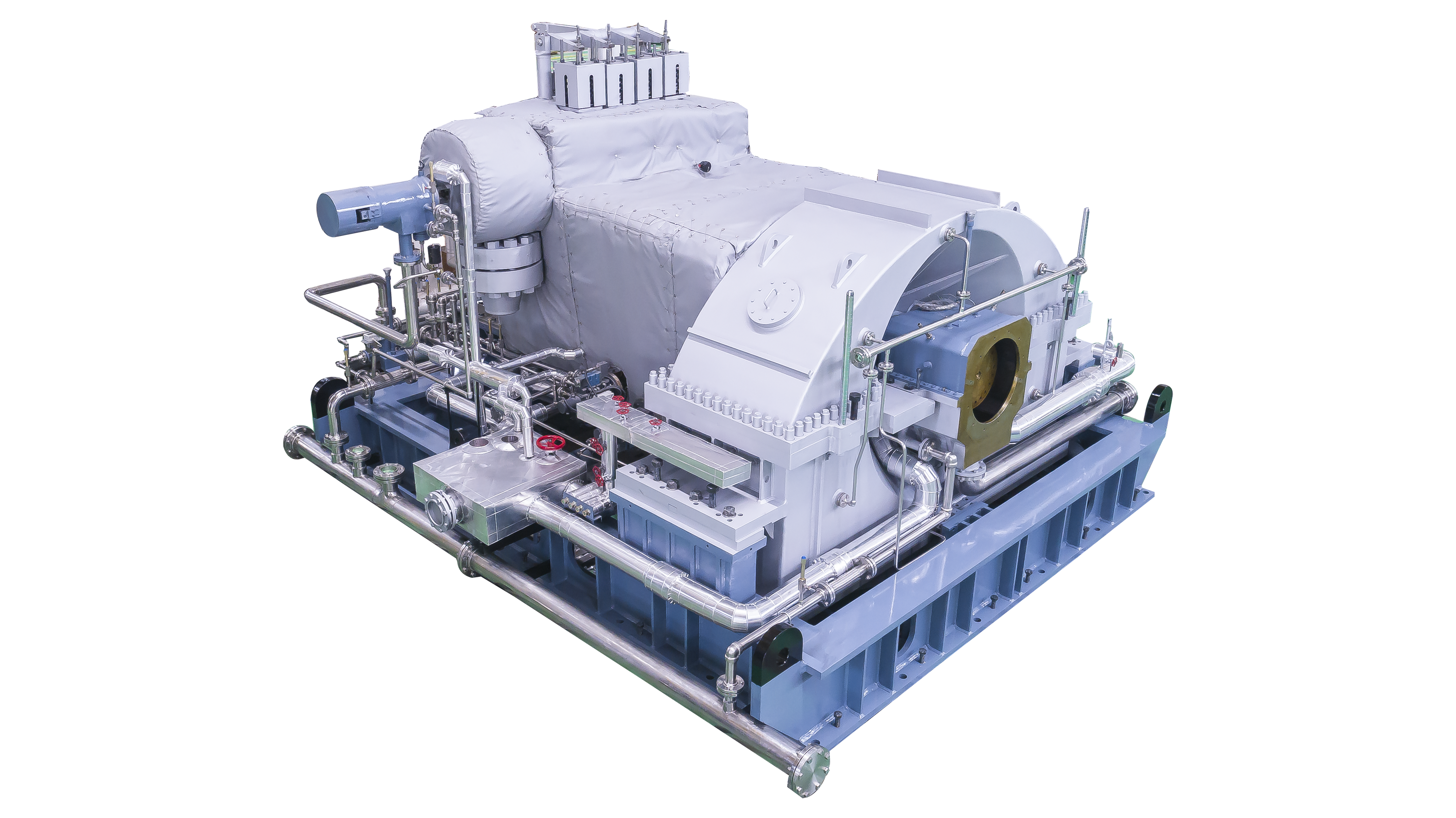
Sustained reliability in such systems depends on design quality, operational discipline, and long-term performance planning. A steam engine turbine works under high-pressure and temperature conditions, so maintaining efficiency over time requires attention to engineering, monitoring, and maintenance practices.
Understanding the elements that influence durability and operational stability helps organizations protect energy output and system lifespan.
Let’s understand the factors that shape long-term turbine efficiency.
7 Key Factors That Define Steam Engine Turbine Performance and Efficiency
Long-term turbine performance depends on several technical elements that influence reliability, stability, and energy output. The following factors explain what supports sustained turbine efficiency and operational reliability.
1.Turbine Design and Engineering Quality
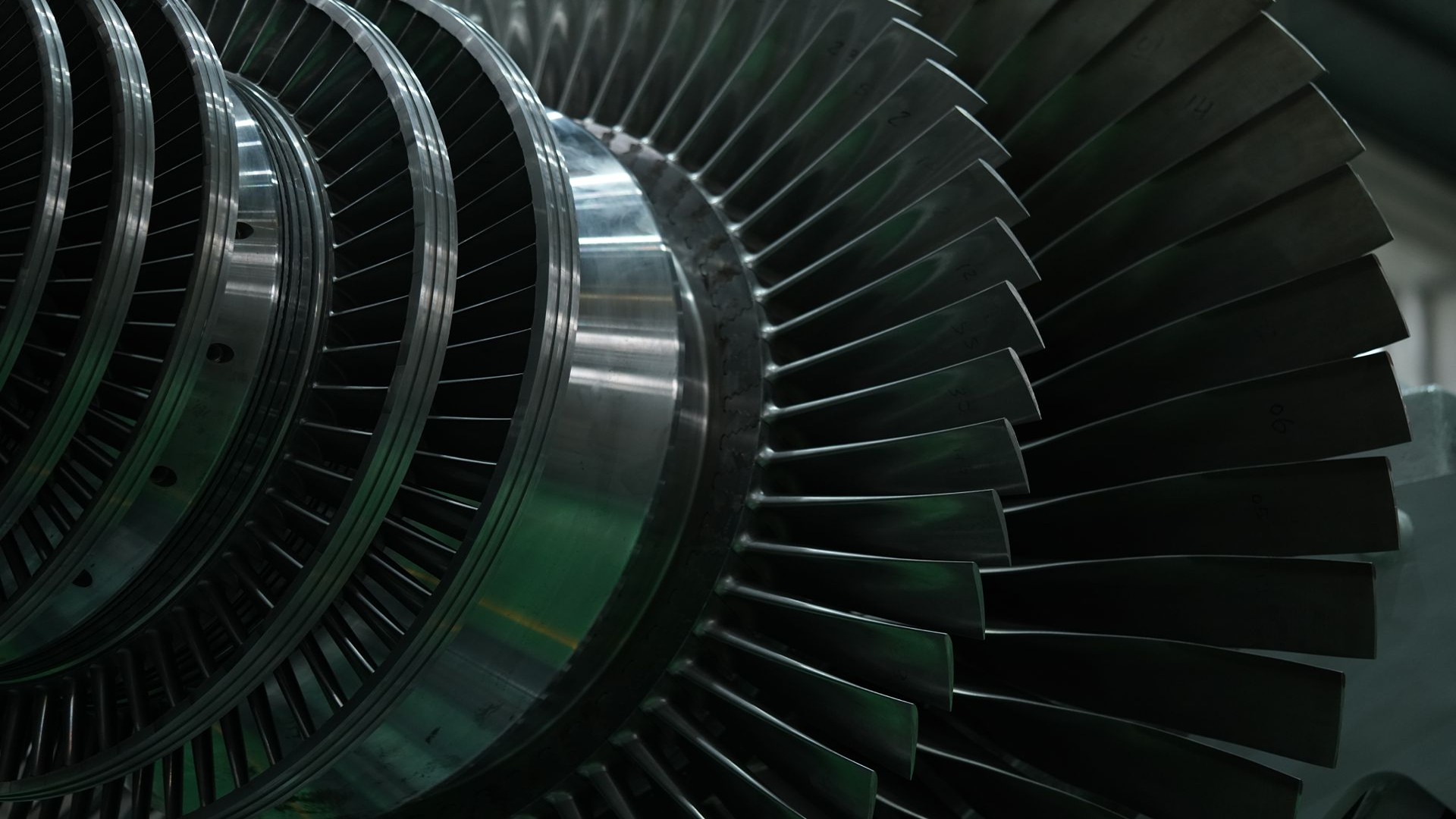
The design of a steam engine turbine is critical for efficient energy conversion and long-term reliability. High-precision blades, durable materials, and optimized aerodynamic structures reduce energy loss and enhance performance.
With years of turbine design experience, Triveni Turbines applies best practices to maximize efficiency and durability for consistent long-term output.
Careful engineering minimizes wear and tear, while optimized designs ensure turbines maintain stable performance under varying operating conditions. These factors together form the foundation for sustained energy efficiency and reliability.
2.Consistent Steam Quality
Steam purity directly impacts turbine efficiency. Moisture, contaminants, or particles can damage internal components and gradually reduce performance. Maintaining proper pressure and temperature allows a steam engine turbine to operate under stable conditions while protecting internal parts from erosion.
3.Regular Maintenance and Inspection
Preventive servicing plays an important role in maintaining operational reliability. Scheduled inspections help identify wear, imbalance or alignment issues before they begin affecting performance. Routine servicing of bearings, seals and rotating components ensures the steam engine turbine continues to run smoothly and efficiently.
4.Integration with a Steam Turbine Generator
Efficient power generation relies on close coordination between turbine and generator systems. When properly aligned, a steam turbine generator converts mechanical energy into electrical output with minimal losses. Careful system integration strengthens reliability while improving overall plant efficiency.
5.Operating Conditions and Load Management
Stable operating environments are essential for maintaining turbine efficiency. Sudden pressure fluctuations or excessive load changes can place significant stress on internal components. A properly managed steam engine turbine performs best when pressure, temperature and load conditions remain controlled and consistent.
6.Material Durability and Component Protection
Industrial turbines operate under extreme thermal stress. High-strength alloys and protective coatings help resist corrosion, fatigue and heat exposure over extended periods. These durable materials allow a steam engine turbine to maintain dependable performance across long operating cycles.
7.Performance Monitoring and Optimization
Continuous monitoring systems track vibration levels, pressure variations and temperature changes throughout turbine operation. These insights allow operators to identify inefficiencies at an early stage.
Data-driven adjustments improve the efficiency of a steam-driven turbine and support long-term operational stability. Real-time performance data also enables timely operational adjustments, helping maintain consistent turbine output.
Ensuring Long-term Efficiency in Steam Engine Turbines
Improving turbine efficiency requires a focus on system design, operation, and maintenance. Regular inspections, maintaining steam quality, and monitoring operational data help extend the life of a steam engine turbine while supporting efficient energy conversion.
Strategic maintenance planning and performance analysis minimize downtime and enhance long-term output. At Triveni Turbines, advanced engineering and reliable turbine technologies ensure consistent, high-performing operation for industrial applications. Partnering helps organizations maintain stable energy generation and maximize the efficiency of their steam engine turbines over time.
By leveraging expert guidance and modern turbine solutions, industries can optimize performance while reducing operational risks. Proactive strategies like these ensure turbines deliver reliable power and lasting value across demanding industrial environments.